Military History & Geopolitical Context This start map keeps the theme’s article-flow homepage intact while giving readers a clearer way to move through military history, geopolitical context, country profiles, and historical figures. Military History for battles, wars, medieval warfare, conflict memory, and historical turning points. Geopolitics for borders, nuclear risk, military bases, modern conflict, resource […]
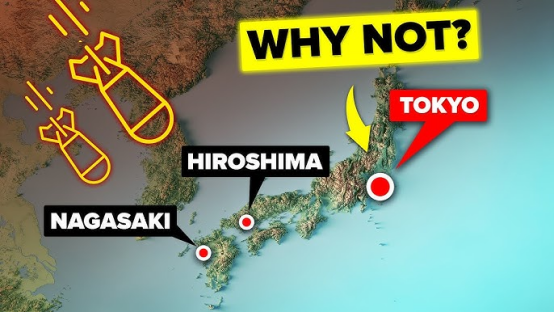
Why Tokyo Was Spared: Unraveling the Atomic Bombing Decisions of WWII
Explore the profound historical reasons why the United States chose Hiroshima and Nagasaki over Tokyo for the atomic bombings, delving into the strategic, political, and military considerations that shaped the final devastating decisions of World War II.
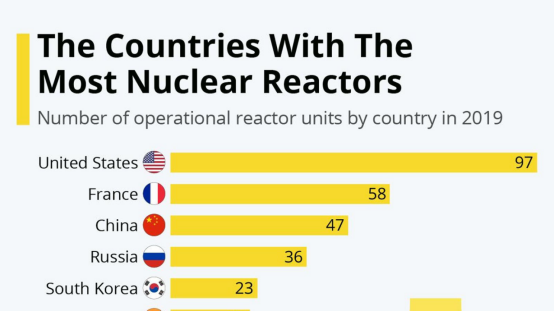
The Ultimate Guide to Global Nuclear Weapon States and the Balance of Power
This comprehensive guide delves into the nine nuclear weapon states, their strategic arsenals, the intricate concept of nuclear deterrence, and the critical role of non-proliferation efforts in shaping international security.

US Military Bases Map: Global Strategic Logic and 5 Major Hubs
A comprehensive analysis of the United States’ global military footprint, examining the historical evolution, strategic necessity, and detailed operations of the world’s most significant permanent military installations and their role in modern geopolitics.
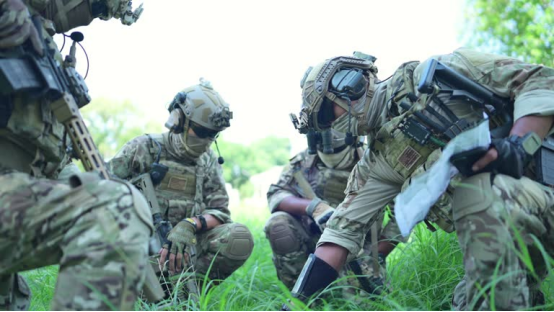
The Geopolitical Chessboard: Military Might, Resource Wars, and Strategic Restraint
The 21st century witnesses a complex interplay of military power, economic leverage, and strategic decisions shaping a rapidly evolving global landscape. This pillar page delves into the intricate dynamics of major global actors, specifically the United States, China, and Russia, examining East Asia’s burgeoning military-industrial potential, the strategic implications of critical mineral control, and the nuanced reasons behind China’s restrained rise. We explore how resource competition fuels geopolitical tensions and how nations navigate a multipolar world where military might is balanced against economic interdependence and strategic foresight. This comprehensive guide provides an in-depth analysis of the complex forces at play, offering insights into the future of international relations and global stability.

Strategic Evolution of the Russia-Ukraine Conflict: Surprise Incursions and the Dynamics of Protracted Warfare
This comprehensive analysis explores the strategic pivot in the Russia-Ukraine conflict, focusing on Ukraine’s surprise cross-border incursions into Russian territory and the broader application of protracted war theory. It examines the military intentions, logistical risks, and the socio-political implications of shifting the battlefield onto Russian soil while assessing the long-term sustainability of the conflict through the lens of historical military doctrines.

The Telegraph Revolution: How a Spark Ignited an Industrial Transformation and Led to the Telephone
Before the 19th century, information traveled at the speed of a horse or a ship. The invention of the electrical telegraph shattered these physical constraints, introducing the era of instantaneous communication. This guide explores the profound impact of the telegraph on the industrial economy, its technological underpinnings, and how its very success created the demand for the next great leap in technology: the telephone.

The Industrial Revolution: Labor, Urbanization, and Global Exploitation
An exhaustive exploration of the Industrial Revolution’s profound societal and global impacts. This comprehensive guide delves into the untold stories of the working class, the massive urban migration, the fierce resistance of the Luddite movement, and the dual narrative of technological progress fueled by colonial resource exploitation.
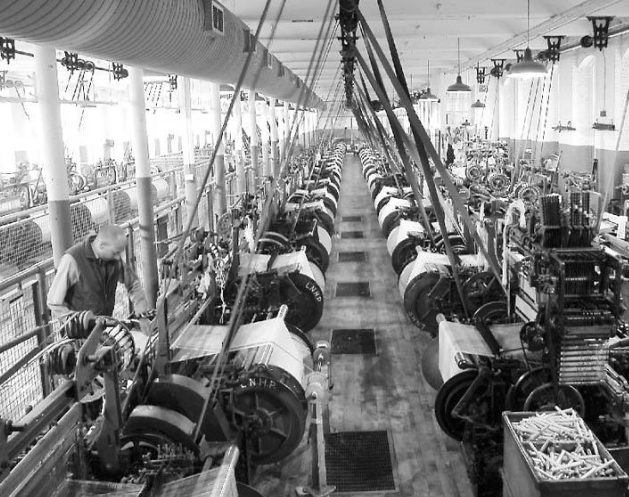
The Industrial Revolution: Forging the Modern World Through Innovation
The Industrial Revolution marked a pivotal era of unprecedented technological advancement and societal transformation, fundamentally reshaping economies, communities, and daily life. This comprehensive guide delves into the foundational innovations, from steam power and textile mechanization to metallurgical breakthroughs and the factory system, exploring their profound impact and lasting legacy that continues to define our modern industrial landscape.

The Industrial Revolution & Colonialism: An Ultimate Guide to Global Resource Exploitation and Lasting Impact
This comprehensive guide delves into the profound and intertwined history of the Industrial Revolution and colonial expansion. Explore how the insatiable demands for raw materials and new markets fueled an era of unprecedented resource exploitation, forced labor, and geopolitical domination, leaving an indelible legacy of global inequality and underdevelopment that persists to this day. Understand the mechanisms, impacts, and enduring consequences of this dual story of progress and exploitation.
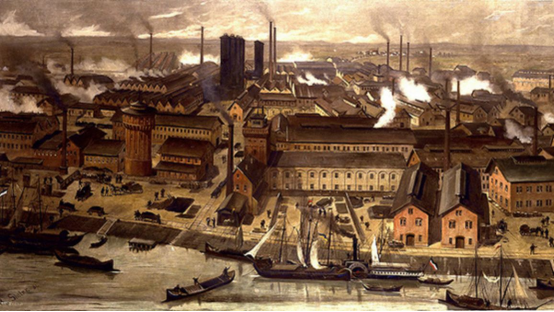
The Industrial Revolution: Urbanization and the Working Class
An exhaustive exploration of how the Industrial Revolution served as the primary engine for mass migration, rapid urbanization, and the emergence of the modern working class, fundamentally reshaping human society.

The Invisible Infrastructure of Industry: Time, Standards, and the Factory Revolution
The transition from agrarian societies to industrial powerhouses was not merely a result of steam power; it was built upon a foundation of standardized time, unified measurements, and the institutionalization of the factory system. This guide explores the deep-seated shifts in labor productivity, global market integration, and the mechanical speed that redefined human capability. From the rhythmic ticking of the factory clock to the complex gears of the modern loom, we dissect the innovations that transformed the global economy and established the infrastructure for modern trade and production.

The Triple Engine of Progress: How Finance, Railways, and the Telegraph Powered the Industrial Revolution
The Industrial Revolution stands as a monumental turning point in human history, a period of unprecedented technological and economic transformation. While often defined by factories and steam power, the true velocity of this change was driven by a powerful trifecta of interconnected innovations: a sophisticated financial system, the revolutionary railway network, and the instantaneous communication of the telegraph. These were not separate developments but a synergistic engine that collectively provided the capital, logistics, and information flow necessary to build the modern world. This guide delves into the intricate mechanisms of each pillar, exploring how modern banking and securities markets funded immense projects, how the “iron horse” annihilated distance and created national economies, and how the “Victorian Internet” shrank the globe, forever altering the pace of business, finance, and governance.

The Energy Evolution: How Coal, Steam, and Electricity Propelled the Industrial Revolution
An exhaustive exploration of the technological and energetic shifts that defined the modern era. From the high-density energy of coal and the mechanical mastery of James Watt’s steam engine to the transformative flexibility of the electrical grid, this guide dissects the mechanisms that turned the wheels of global industry and redefined human productivity.
Viking Society: The Ultimate Guide to Their Trade, Exploration, and Global Legacy
Move beyond the horned-helmet stereotype to uncover the true story of the Vikings. This comprehensive guide explores their sophisticated trade networks, groundbreaking exploration, advanced technology, and the lasting cultural footprint they left on the world, revealing a complex society of merchants, farmers, and innovators.
Women in the Middle Ages: The Truth About Female Agency and Power
A comprehensive deep dive into the lives of medieval women, debunking the myth of total helplessness by exploring their roles as entrepreneurs, visionaries, and sovereigns. This guide examines legal realities, economic contributions, and the spiritual authority that defined female existence from the 5th to the 15th century.
Justinian’s Rome: The Ultimate Guide to Byzantine Glory
An in-depth exploration of Emperor Justinian I’s reign, from his ambitious dream of restoring the Roman Empire to his lasting legacy in law and architecture. This guide covers his military conquests, the revolutionary Corpus Juris Civilis, the construction of the Hagia Sophia, and the crises that defined the last great golden age of Byzantium.
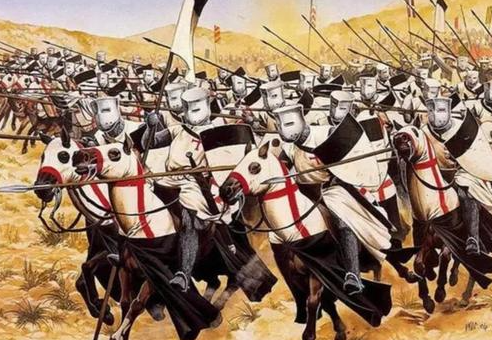
The Crusades: From the Holy Land to the Baltic Frontier
A comprehensive guide to the Crusades, this article delves into two pivotal yet distinct chapters of this historical epoch. We explore the fervent religious zeal and political ambition that fueled the First Crusade and led to the dramatic conquest of Jerusalem. Simultaneously, we journey north to the harsh Baltic frontiers, chronicling the rise of the Teutonic Knights and their relentless, centuries-long crusade to convert and conquer the pagan lands of Prussia and Lithuania. This dual narrative provides a complete picture of the crusading movement’s scope, motivations, and lasting impact on both the Middle East and Eastern Europe.
The Ultimate Guide to Medieval Warfare: Knights, Castles, Sieges, and Naval Fleets
Delve into the brutal and brilliant world of medieval military strategy. From the lightning-fast raids of Viking longships and the impregnable stone walls of towering castles to the thunderous charges of armored knights, this comprehensive guide dissects the engineering, tactics, and realities that shaped empires.

The Plantagenet Dynasty: Three Centuries of Medieval Power
An expansive analysis of the Plantagenet lineage, tracing their rise from Anjou to the brink of the War of the Roses, examining the administrative, architectural, and political foundations they laid for modern England.