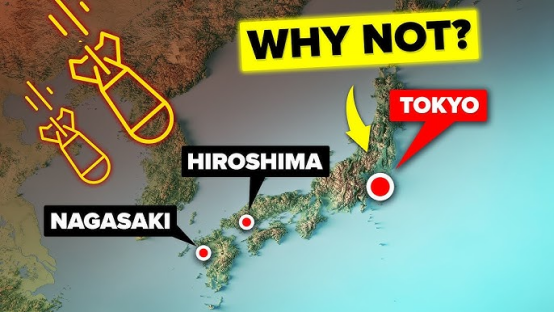
The Strategic Dilemma: Why Tokyo Was Spared from Atomic Bombing
As World War II drew to a brutal close in the Pacific, the United States faced an unprecedented strategic decision: how to compel Japan’s unconditional surrender. The development of the atomic bomb, a weapon of unparalleled destructive power, presented a new, terrifying option. While the bustling capital of Tokyo might seem like an obvious target for such a decisive blow, the historical record reveals a complex web of military, political, and humanitarian considerations that ultimately led to Hiroshima and Nagasaki being chosen instead. This section delves into the intricate reasoning behind these choices, exploring the context of the war and the unique circumstances surrounding each potential target.
The Pre-Existing Devastation of Tokyo: A City Already Scorched
One of the most critical factors in the decision not to target Tokyo with an atomic bomb was its existing state of devastation. By the summer of 1945, Tokyo had already endured a relentless campaign of conventional firebombing raids conducted by the U.S. Army Air Forces. Operation Meetinghouse, launched on the night of March 9-10, 1945, was particularly brutal, unleashing incendiary bombs that created a firestorm across the city’s densely packed wooden structures. This single raid alone caused more immediate deaths than either of the atomic bombings, incinerating vast swathes of residential and industrial areas. The rationale was that an atomic bomb’s impact, while devastating, would have been less visually and psychologically shocking in a city already largely reduced to rubble. The objective was a clear, undeniable demonstration of power, which would be diluted if dropped on an already ruined landscape.
Preserving the Imperial Institution: A Path to Post-War Stability
Another profound consideration was the strategic importance of Japan’s Emperor Hirohito and the imperial institution. American policymakers, particularly figures like Secretary of War Henry Stimson, understood that the Emperor was not just a figurehead but a divine symbol deeply revered by the Japanese people. Eliminating or discrediting the Emperor through an atomic strike on Tokyo could have catastrophic consequences for any post-war occupation and the establishment of a stable, democratic Japan. There was a strong belief that the Emperor’s continued presence, even in a reduced capacity, would be vital for facilitating surrender and maintaining order during the transition. Bombing Tokyo, where the Imperial Palace was located, carried the unacceptable risk of either killing the Emperor or provoking an even more fanatical resistance, thereby prolonging the war and increasing Allied casualties.
Targeting Philosophy: Shock vs. Total Annihilation
The overarching goal of using the atomic bomb was not merely to inflict maximum casualties, but to deliver a psychological shock so profound that it would force Japan’s military leadership to surrender. This required selecting targets that were relatively untouched by prior bombing, allowing the full, horrifying impact of the new weapon to be clearly observed and understood. Tokyo, having been extensively firebombed, no longer offered this “virgin” target status. The strategic planners sought cities that were significant military or industrial centers, yet sufficiently intact to demonstrate the atomic bomb’s unique destructive capability in a single, overwhelming blow. This philosophy prioritized a decisive end to the war over indiscriminate destruction of an already crippled capital.
The Chosen Targets: Why Hiroshima and Nagasaki Met the Criteria
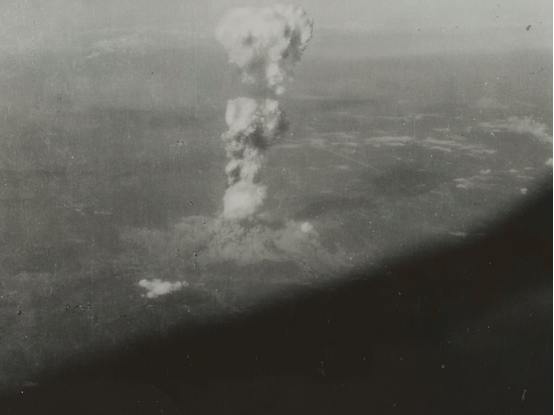
With Tokyo deemed unsuitable for various strategic reasons, the target selection committee, guided by the Interim Committee and President Truman’s directives, meticulously evaluated other Japanese cities. The criteria were stringent, focusing on military significance, population density, and the potential for a clear demonstration of the atomic weapon’s power. Hiroshima and Nagasaki emerged as the primary choices, each fulfilling specific requirements that Tokyo could no longer offer.
Military and Industrial Significance: More Than Just Cities
Both Hiroshima and Nagasaki were far more than mere civilian centers; they were vital military and industrial hubs supporting Japan’s war effort. Hiroshima was a major port city, headquarters of the Japanese Second General Army, and a key logistical center for the defense of southern Japan. It also housed numerous military installations, supply depots, and industrial facilities. Nagasaki, while smaller, was a crucial shipbuilding center, home to major Mitsubishi shipyards, steelworks, and ordnance factories. Targeting these cities was intended to cripple Japan’s capacity to wage war, directly impacting its military command structure and industrial output, thereby accelerating the path to surrender.
“Virgin” Targets: Maximizing the Shock Factor
A paramount criterion for target selection was that the chosen cities should be relatively untouched by previous conventional bombing raids. This was crucial for several reasons. Firstly, it would allow for a precise and unambiguous assessment of the atomic bomb’s destructive power, providing invaluable data for future military planning. Secondly, and more importantly, it would ensure that the psychological impact on the Japanese leadership and populace was maximized. Dropping the world’s first atomic bomb on an intact, significant city would send an unmistakable message of overwhelming force, demonstrating a new level of warfare that Japan could not possibly withstand. Hiroshima and Nagasaki, unlike Tokyo, largely fit this description, making them ideal canvases for this terrifying demonstration.
Geographical Suitability for Blast Assessment and Impact
Beyond military importance and relative intactness, the geographical layout of potential targets also played a significant role. Planners sought cities with terrain that would allow the bomb’s blast effects to be clearly observed and studied. Hiroshima, situated on a flat delta crisscrossed by rivers, offered an ideal environment for the uninhibited spread of the blast wave. Nagasaki, though more mountainous, had its industrial centers concentrated in valleys, which, while containing the blast in some ways, also maximized its destructive force within those confined areas. These geographical features were considered advantageous for demonstrating the bomb’s power and for post-strike analysis, crucial for understanding the full implications of this new weapon.
Ethical Considerations and the Long-Term Impact of Atomic Warfare
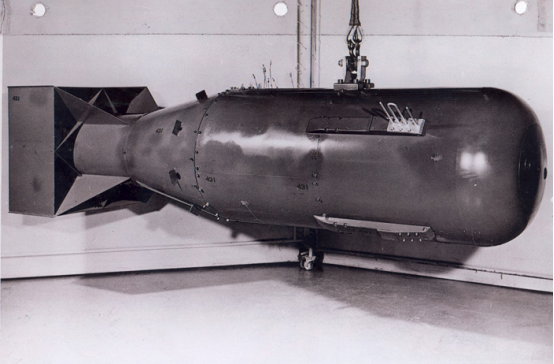
The decision to employ atomic weapons remains one of the most controversial and ethically debated moments in human history. While strategic and military objectives guided the immediate choices of 1945, the profound moral implications and the long-term legacy of the atomic bombings continue to resonate globally, shaping international relations, arms control, and the very concept of warfare.
The Moral Quandary of Atomic Warfare and Civilian Casualties
The use of atomic bombs on Hiroshima and Nagasaki ignited an immediate and enduring ethical debate. Critics argue that the bombings constituted war crimes due to the indiscriminate nature of the weapons, causing immense civilian suffering and death. Proponents counter that the bombings ultimately saved lives by forcing Japan’s swift surrender, thereby averting a potentially far bloodier invasion of the Japanese home islands, which was projected to result in millions of casualties on both sides. This moral dilemma centers on the balance between military necessity and humanitarian concerns, a tension that has defined much of post-WWII strategic thinking. The decision highlighted the terrifying potential for weapons of mass destruction to obliterate the traditional distinctions between combatants and non-combatants.
The Immediate Aftermath and Global Implications
The immediate aftermath of the bombings was catastrophic. Tens of thousands died instantly, with many more succumbing to injuries and radiation sickness in the weeks, months, and years that followed. The cities were annihilated, leaving behind a landscape of unimaginable destruction. Beyond Japan, the bombings ushered in the Atomic Age, forever changing the geopolitical landscape. The world grappled with the terrifying reality of nuclear weapons, leading to the Cold War arms race and the doctrine of Mutually Assured Destruction (MAD). The legacy of Hiroshima and Nagasaki spurred global efforts towards nuclear non-proliferation and disarmament, profoundly influencing international law and the ongoing quest for peace.
Pro Tips: Understanding Wartime Decision-Making
- Context is Key: Always consider the full historical and strategic context in which decisions are made. Wartime choices are often made under immense pressure with imperfect information.
- Multiple Objectives: Recognize that military actions rarely have a single objective. Decisions like target selection often balance military effectiveness, political outcomes, psychological impact, and even post-war planning.
- The “Why” Beyond the “What”: Look beyond the immediate actions to understand the underlying principles, fears, and hopes that drive significant historical events.
- Long-Term Consequences: Evaluate how short-term tactical decisions can have profound and unforeseen long-term ethical, political, and social consequences.
Target Selection Comparison: Tokyo vs. Chosen Cities
| Criterion | Tokyo (1945) | Hiroshima/Nagasaki (1945) |
|---|---|---|
| Prior Bombing Status | Extensively firebombed; largely destroyed | Relatively untouched by major conventional bombing |
| Military/Industrial Value | High (but already significantly degraded) | High (intact military bases, industrial centers) |
| Presence of Emperor | Yes; Imperial Palace located there | No direct presence of Emperor |
| Demonstration Potential | Low; impact would be less clear due to prior damage | High; clear, unambiguous demonstration of destructive power |
| Post-War Governance Impact | High risk of destabilizing imperial institution, complicating surrender | Lower risk to central authority; allowed for Emperor to facilitate surrender |
| Geographical Suitability for Assessment | Less ideal due to widespread existing damage | Good; allowed for clear observation and analysis of blast effects |
Frequently Asked Questions (FAQ)
- Was Tokyo ever considered as an atomic bomb target?
- Yes, Tokyo was initially on the list of potential targets. However, it was ultimately removed due to the extensive damage already inflicted by conventional firebombing raids, the desire to preserve the Emperor, and the need for a “virgin” target to maximize the psychological impact of the atomic bomb.
- What was the primary goal of dropping the atomic bombs?
- The primary goal was to force Japan’s unconditional surrender swiftly, thereby avoiding a costly ground invasion of the Japanese home islands and saving countless American and Japanese lives that such an invasion was predicted to incur. The bombings were intended to deliver a decisive psychological shock.
- How did the firebombing of Tokyo compare to the atomic bombings?
- The firebombing of Tokyo (particularly Operation Meetinghouse in March 1945) caused more immediate deaths than either of the individual atomic bombings. While atomic bombs delivered unprecedented destructive power in a single blast, the sustained incendiary raids on Tokyo devastated a larger area and resulted in a higher initial death toll, primarily due to the firestorms they created.
- Why was the Emperor’s safety a concern for the US?
- US strategists believed that preserving Emperor Hirohito and the imperial institution was crucial for facilitating Japan’s surrender and ensuring post-war stability. Killing or discrediting the Emperor could have led to prolonged resistance, chaos, and made the subsequent occupation much more difficult.
- Were there other cities on the target list besides Hiroshima and Nagasaki?
- Yes, other cities considered for atomic bombing included Kyoto, Yokohama, Kokura (which was the primary target for the second bomb but was obscured by clouds, leading to Nagasaki), and Niigata. Kyoto was ultimately spared due to the intervention of Secretary of War Henry Stimson, who admired its cultural and historical significance.