The Ultimate Guide to Global Nuclear Weapon States and the Balance of Power
The existence of nuclear weapons has profoundly reshaped international relations and the very concept of warfare since their first deployment. Far from being relics of the Cold War, these devastating armaments continue to be central to the foreign policy and defense strategies of a select group of nations, maintaining a delicate and often precarious balance of power on the global stage. Understanding the nuances of nuclear weapon states, their doctrines, and the mechanisms designed to prevent their spread is paramount for anyone seeking to grasp the complexities of modern geopolitics. This comprehensive guide serves as an ultimate resource, dissecting the intricate web of nuclear arsenals, the principles of deterrence, and the ongoing efforts to manage the immense risks associated with these ultimate weapons.
From the established powers recognized by international treaties to those who developed their capabilities outside formal frameworks, each nuclear weapon state brings its unique history, strategic imperatives, and regional dynamics to the global nuclear equation. The sheer number of warheads, the technological advancements in delivery systems, and the evolving geopolitical landscape all contribute to a constantly shifting scenario that demands continuous analysis and informed discussion. We will explore “the why” behind nuclear weapon development, the historical context that led to their proliferation, and the future trends that could either stabilize or destabilize global security.
The Global Nuclear Landscape: Unveiling the World’s Nine Nuclear Powers
Currently, nine nations possess nuclear weapons, each with varying arsenals, doctrines, and geopolitical motivations. While the total number of nuclear warheads has decreased significantly from Cold War peaks, largely due to arms control treaties between the United States and Russia, the destructive potential remains immense. These nine players are broadly categorized into those recognized by the Non-Proliferation Treaty (NPT) and those who developed their capabilities outside its framework, alongside one undeclared state.
Recognized Nuclear Weapon States (NWS) under NPT
The NPT, signed in 1968, designates five states as Nuclear Weapon States: the United States, Russia, the United Kingdom, France, and China. These nations committed to pursuing disarmament in exchange for other states foregoing nuclear weapons development.
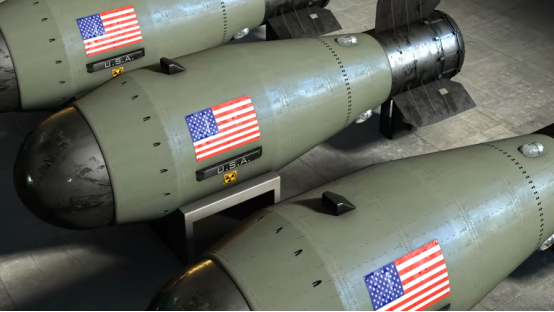
- United States: Possesses the largest and most technologically advanced arsenal, maintained as a strategic deterrent against major power threats and to assure allies. Its doctrine emphasizes flexible response and extended deterrence.
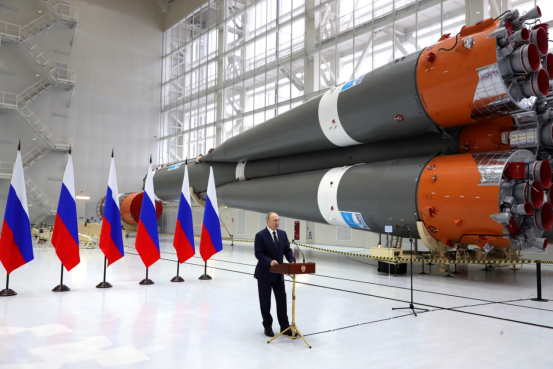
- Russia: The other major nuclear superpower, maintaining parity with the U.S. in terms of warhead numbers. Its doctrine similarly focuses on deterrence, with a declared possibility of nuclear use in response to existential threats.
- United Kingdom: Operates a smaller, submarine-based nuclear deterrent (Trident system), primarily aimed at preventing nuclear blackmail and contributing to NATO’s overall deterrence posture. Its doctrine is one of minimum credible deterrence.
- France: Maintains an independent nuclear deterrent force (Force de Frappe), comprising both air-launched cruise missiles and submarine-launched ballistic missiles. Its doctrine is designed to protect national interests against any aggression, regardless of scale.
- China: Has steadily modernized and expanded its nuclear arsenal. Its doctrine is based on “no first use” (NFU) and minimum deterrence, aiming to ensure a credible second-strike capability. The transparency of its arsenal remains a point of international discussion.
Non-NPT Nuclear Powers: India, Pakistan, North Korea
These nations developed nuclear weapons outside the NPT framework, citing national security concerns and perceived regional threats. Their proliferation has significantly impacted regional stability.
- India: Tested nuclear devices in 1974 and 1998, developing its arsenal as a deterrent against perceived threats from Pakistan and China. India also maintains a “no first use” policy, conditional on not being attacked by nuclear weapons.
- Pakistan: Responded to India’s tests with its own in 1998. Pakistan’s nuclear program is primarily a deterrent against a larger conventional Indian military, and it does not have a “no first use” policy.
- North Korea: Withdrew from the NPT in 2003 and has conducted multiple nuclear tests. Its rapidly advancing missile and nuclear program is a major source of international concern, driven by regime survival and a desire for leverage against the U.S. and its allies.
The Undeclared Nuclear State: Israel
Israel is widely believed to possess nuclear weapons, maintaining a policy of “nuclear ambiguity” – neither confirming nor denying its capabilities. This strategy is intended to deter potential adversaries in a volatile region without triggering a direct arms race. The specifics of its arsenal and doctrine remain closely guarded secrets.
Nuclear Deterrence Explained: The Delicate Balance of Power
At the heart of nuclear strategy lies the concept of deterrence – the idea that a state can prevent an attack by posing a credible threat of unacceptable retaliation. This principle has been the cornerstone of global security since the advent of the nuclear age, shaping military doctrines and international diplomacy. Understanding deterrence requires delving into its core mechanisms and historical evolution.
Understanding the Principle of Mutually Assured Destruction (MAD)
During the Cold War, the concept of Mutually Assured Destruction (MAD) became the dominant theory of nuclear deterrence. MAD posits that if two opposing sides possess sufficient nuclear arsenals to destroy each other, neither side will launch a first strike because doing so would guarantee its own annihilation by the other’s retaliatory strike.
- The Why: MAD emerged from the realization that nuclear weapons transcended traditional warfare. Unlike conventional conflicts where victory was possible, a nuclear exchange promised only mutual devastation, making large-scale war between nuclear powers unthinkable.
-
Key Components:
- First Strike Capability: The ability to launch a nuclear attack that would cripple the adversary’s retaliatory capacity.
- Second Strike Capability: The assured ability to absorb a first strike and still launch a devastating retaliatory attack. This is crucial for MAD, as it removes the incentive for a first strike.
Evolution of Nuclear Doctrines: Beyond MAD
While MAD established a baseline, nuclear doctrines have evolved, reflecting technological advancements and shifting geopolitical realities.
- Massive Retaliation: Early Cold War doctrine, primarily by the U.S., threatening full-scale nuclear response to any major aggression, even conventional. This was deemed less credible as Soviet nuclear capabilities grew.
- Flexible Response: Developed by NATO, this doctrine allowed for a graded response to aggression, from conventional forces to tactical nuclear weapons, before escalating to strategic nuclear war. It aimed to make deterrence more credible across a spectrum of threats.
- Minimum Deterrence: Adopted by some states (e.g., China, UK), this doctrine maintains a smaller, but still credible, nuclear force sufficient to inflict unacceptable damage on an aggressor, thereby deterring attack. It emphasizes cost-effectiveness and reduces the perceived threat of escalation.
- Escalate to De-escalate (or “Limited” Nuclear Use): A controversial doctrine, particularly associated with Russia, suggesting the potential use of tactical nuclear weapons to de-escalate a conventional conflict that is going unfavorably, by demonstrating resolve and raising the stakes.
Pro Tips: The Paradox of Nuclear Peace
Nuclear weapons present a profound paradox: they are the most destructive tools ever created, yet they have arguably prevented large-scale wars between major powers for decades. Understanding this “nuclear peace” requires acknowledging that deterrence is not merely about possessing weapons but about the perception of resolve, capability, and the political will to use them. Effective deterrence relies on clear communication, credible threats, and robust command and control systems to prevent accidental or unauthorized use.
The Non-Proliferation Treaty (NPT): Its Pillars, Challenges, and Future
The Treaty on the Non-Proliferation of Nuclear Weapons (NPT) is the cornerstone of the global nuclear non-proliferation regime. Opened for signature in 1968, it entered into force in 1970 and has nearly universal adherence, making it one of the most successful arms control agreements in history. It aims to prevent the spread of nuclear weapons and weapons technology, promote cooperation in the peaceful uses of nuclear energy, and further the goal of achieving nuclear disarmament.
Pillars of the NPT: Non-Proliferation, Disarmament, Peaceful Use
The NPT is built upon three mutually reinforcing pillars, each critical to its overall success and legitimacy.
- Non-Proliferation: Non-nuclear-weapon states (NNWS) commit not to acquire nuclear weapons, while nuclear-weapon states (NWS) commit not to transfer nuclear weapons or assist NNWS in acquiring them. This pillar is monitored by the International Atomic Energy Agency (IAEA).
- Disarmament: NWS commit to pursue good-faith negotiations on effective measures relating to the cessation of the nuclear arms race at an early date and to nuclear disarmament. This pillar is often a point of contention, with many NNWS arguing that NWS have not fulfilled their obligations.
- Peaceful Use of Nuclear Energy: All states have an inalienable right to develop research, production, and use of nuclear energy for peaceful purposes, under IAEA safeguards. This pillar facilitates the transfer of nuclear technology for energy, medicine, and agriculture, ensuring it is not diverted for weapons programs.
Key Challenges to Non-Proliferation
Despite its broad acceptance, the NPT faces significant challenges that threaten its long-term effectiveness and the global non-proliferation regime.
- Withdrawals and Violations: North Korea’s withdrawal and subsequent nuclear weapon development, alongside allegations of other states’ non-compliance, demonstrate the treaty’s vulnerabilities.
- Technological Diffusion: The increasing availability of dual-use technologies (which can be used for both peaceful and military purposes) makes it harder to prevent proliferation, especially as states gain access to advanced enrichment and reprocessing capabilities.
- Regional Instability: Geopolitical tensions and security dilemmas in regions like the Middle East and Northeast Asia create strong incentives for states to consider developing nuclear weapons as a deterrent.
- Lack of Disarmament Progress: Many NNWS view the slow pace of disarmament by NWS as a breach of their NPT obligations, eroding trust and the moral authority of the treaty.
Expert Advice: Strengthening the NPT
To strengthen the NPT, experts advocate for a multi-pronged approach: enhancing IAEA safeguards, promoting universal adherence to additional protocols, increasing transparency from NWS regarding their disarmament efforts, and addressing underlying security concerns that drive proliferation. Diplomatic engagement and sanctions, alongside incentives for compliance, remain crucial tools.
Navigating the Future: Arms Control, Emerging Threats, and Geopolitical Stability
The future of nuclear weapons and global security is characterized by a complex interplay of ongoing arms control efforts, the emergence of new technologies, and a shifting geopolitical landscape. While the Cold War’s bipolar confrontation has given way to a more multipolar world, the fundamental dangers of nuclear proliferation and accidental use persist, demanding continuous vigilance and proactive strategies.
Emerging Threats and Technological Advancements
Technological progress, while beneficial in many areas, also introduces new challenges to nuclear stability.
- Hypersonic Weapons: These missiles travel at speeds exceeding Mach 5 and are highly maneuverable, making them extremely difficult to detect and intercept. Their development by major powers blurs the lines between conventional and nuclear warfare and could reduce warning times, increasing the risk of miscalculation.
- Artificial Intelligence (AI) in Command and Control: The integration of AI into decision-making processes for nuclear command and control systems raises concerns about autonomous decision-making, potential for errors, and the speed at which crises could escalate beyond human control.
- Cyber Warfare: Attacks on critical infrastructure, including nuclear command and control systems, could compromise the security and reliability of nuclear arsenals, leading to unauthorized launches or system failures.
- Space-Based Weapons: The weaponization of space could threaten satellite systems essential for early warning, communication, and navigation, potentially blinding states and exacerbating strategic instability during a crisis.
Diplomatic Efforts and Treaties: A Path Forward?
Despite the challenges, international efforts to control and reduce nuclear weapons continue.
- Strategic Arms Reduction Treaties (START): Successive START treaties between the U.S. and Russia have significantly reduced their deployed strategic nuclear warheads and delivery systems, demonstrating that verifiable disarmament is achievable. The New START Treaty remains the last major arms control agreement between the two largest nuclear powers.
- Comprehensive Nuclear-Test-Ban Treaty (CTBT): Prohibits all nuclear explosions for any purpose. While widely signed, it has not yet entered into force due to non-ratification by key states, including the U.S., China, and others. Its full implementation would be a major step towards non-proliferation.
- Treaty on the Prohibition of Nuclear Weapons (TPNW): Aims to stigmatize and outlaw nuclear weapons entirely, much like chemical and biological weapons. While it has gained significant support among non-nuclear states, nuclear weapon states and their allies largely oppose it, arguing it is incompatible with deterrence.
Nuclear Doctrine Comparison Table
| Nuclear Power | Declared Doctrine | Key Characteristics | Main Deterrent Focus |
|---|---|---|---|
| United States | Flexible Response, Extended Deterrence | Maintain strategic superiority, assure allies, respond to various threats. | Major power threats, regional aggression. |
| Russia | Deterrence, “Escalate to De-escalate” | Respond to existential threats, potentially use tactical nukes to restore conventional balance. | NATO expansion, conventional threats. |
| China | No First Use (NFU), Minimum Deterrence | Maintain credible second-strike capability; limited, survivable arsenal. | Great power adversaries, regional stability. |
| United Kingdom | Minimum Credible Deterrence | Submarine-based deterrent, independent but coordinated with NATO. | Nuclear blackmail, existential threats. |
| France | Strictly Defensive, Independent Deterrence | Protect vital national interests; credible against any state. | Any aggression threatening national integrity. |
| India | No First Use (NFU) | Deterrence against Pakistan and China; credible second-strike. | Regional adversaries. |
| Pakistan | First Use Possible | Deterrence against conventional superiority of India. | Conventional military threats. |
Frequently Asked Questions (FAQ)
- Q1: What is the primary purpose of a nuclear weapon arsenal?
- The primary purpose of a nuclear weapon arsenal is deterrence. Nuclear weapon states maintain these arsenals to discourage potential adversaries from attacking them or their allies, by threatening devastating retaliation. This concept, often termed “Mutually Assured Destruction” (MAD), suggests that the catastrophic consequences of nuclear war make a first strike unthinkable. Nuclear weapons are rarely, if ever, seen as tools for offensive warfare due to their unparalleled destructive power.
- Q2: How does the Non-Proliferation Treaty (NPT) work to prevent the spread of nuclear weapons?
- The NPT works through a three-pillar system: non-proliferation, disarmament, and the peaceful use of nuclear energy. Non-nuclear-weapon states (NNWS) commit not to acquire nuclear weapons, and in return, nuclear-weapon states (NWS) commit not to transfer them and to pursue disarmament. All states have the right to peaceful nuclear technology under international safeguards monitored by the IAEA, ensuring that nuclear materials are not diverted for weapons programs. This framework aims to limit the number of nuclear-armed states while promoting the benefits of nuclear technology.
- Q3: What are the main differences between “first strike” and “second strike” capabilities?
- “First strike” capability refers to a nation’s ability to launch a nuclear attack so effectively that it would destroy the adversary’s nuclear forces, preventing them from retaliating. Conversely, “second strike” capability is the assured ability to absorb a full-scale first strike and still launch a devastating retaliatory nuclear attack. A credible second-strike capability is crucial for deterrence, as it ensures that even after suffering an initial attack, the aggressor would face unacceptable consequences, thereby discouraging a first strike.
- Q4: Why do some countries develop nuclear weapons outside the NPT framework?
- Countries that develop nuclear weapons outside the NPT framework, such as India, Pakistan, and North Korea, typically do so due to perceived existential national security threats, regional power imbalances, or a desire for greater international influence. They often view nuclear weapons as the ultimate deterrent against more powerful adversaries or as a means to counter specific regional threats that conventional forces cannot adequately address. They may also see the NPT as discriminatory, given that it allows some states to retain nuclear weapons while denying them to others.
- Q5: What are some emerging technologies that could impact nuclear stability in the future?
- Several emerging technologies pose potential threats to nuclear stability. Hypersonic weapons, with their extreme speed and maneuverability, could shorten warning times and complicate deterrence calculations. Artificial intelligence (AI) in command and control systems raises concerns about autonomous decision-making and the risk of accidental escalation. Cyber warfare could target nuclear infrastructure, while the weaponization of space could disrupt vital early warning and communication systems, all of which introduce new layers of complexity and potential instability to the nuclear landscape.
