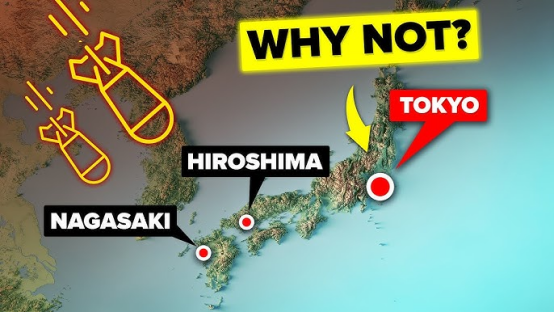
Explore the profound historical reasons why the United States chose Hiroshima and Nagasaki over Tokyo for the atomic bombings, delving into the strategic, political, and military considerations that shaped the final devastating decisions of World War II.
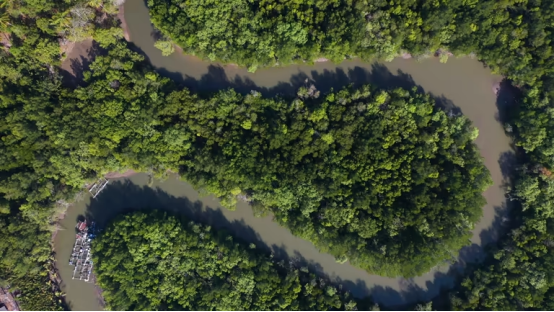
The Unbridged Giant: Why No Bridge Crosses the Amazon River
The Amazon River, a titan of nature, flows for over 4,000 miles without a single bridge crossing its main channel. This isn’t an oversight but a testament to the immense engineering, environmental, and economic challenges it presents. This deep dive explores the complex interplay of geology, hydrology, and human logistics that has left the world’s largest river unspanned, a unique anomaly in modern infrastructure.
An In-Depth Guide to 5 Countries Americans Can’t Easily Visit
While a U.S. passport grants access to much of the world, a handful of nations remain virtually off-limits due to complex geopolitical tensions, active conflicts, or unique national policies. This guide provides a deep-dive analysis into why countries like North Korea, Iran, Syria, Cuba, and Bhutan present significant barriers for American travelers, exploring the historical context, current travel status, and the specific challenges involved for each destination.
Holland vs. Netherlands: Unraveling the Two Names of One Country
An extremely detailed introductory analysis exploring the geographical boundaries, centuries of maritime history, and modern geopolitical rebranding that explain why the Netherlands is universally, yet inaccurately, referred to as Holland.
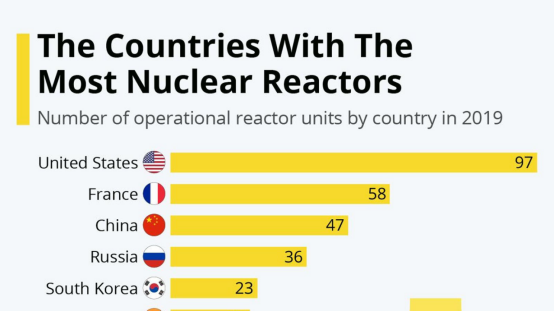
The Ultimate Guide to Global Nuclear Weapon States and the Balance of Power
This comprehensive guide delves into the nine nuclear weapon states, their strategic arsenals, the intricate concept of nuclear deterrence, and the critical role of non-proliferation efforts in shaping international security.
US Military Bases Map: Global Strategic Logic and 5 Major Hubs
A comprehensive analysis of the United States’ global military footprint, examining the historical evolution, strategic necessity, and detailed operations of the world’s most significant permanent military installations and their role in modern geopolitics.
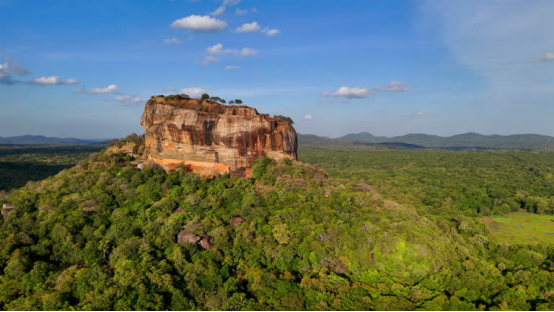
Why Didn’t Sri Lanka Become Part of India? The Ultimate Geopolitical Analysis
An in-depth exploration of the historical, administrative, and geographic factors that led to Sri Lanka’s status as a sovereign nation separate from the Indian mainland. This pillar page examines the colonial legacy, cultural distinctions, and the strategic decisions that shaped the modern borders of South Asia.
Iran and the Middle East: Geopolitical Power and Natural Fortresses
This comprehensive analysis explores the complex dynamics of the Middle East, focusing on Iran’s strategic depth, its role as a regional powerhouse, and the critical intersection of natural geography and military capability.
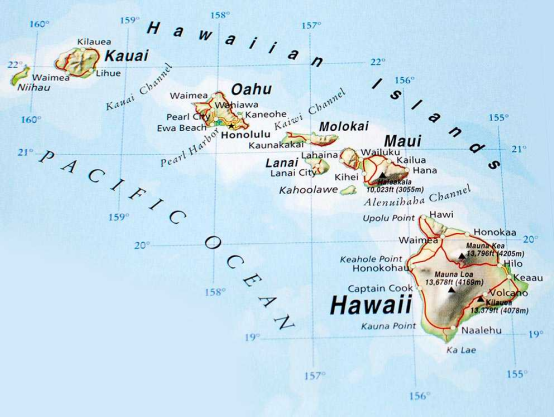
The True Map of Hawaii: An Ultimate Guide to All 137 Islands
Beyond the eight famous islands lies the true Hawaiian archipelago—a vast 1,500-mile chain of 137 islands, atolls, and seamounts. This guide unveils the hidden history, geological science, and profound cultural significance of the full Hawaiian island chain, from the active volcanoes of the Big Island to the ancient, protected atolls of Papahānaumokuākea.
Russia’s Geopolitical Frontiers: A Deep Dive into Kaliningrad, Alaska, Altay, and the Peanut Hole
This comprehensive guide explores the complex history and strategic significance of Russia’s most unique territories and border disputes. We dissect the Kaliningrad enclave’s military importance, the historic sale of Alaska and its transformation, the Altay Republic’s role as a strategic frontier, and the resolution of the “Peanut Hole” maritime dispute, revealing the core tenets of Russia’s long-term geopolitical and economic strategy.