For American citizens, a passport is often seen as a key to the world. However, global politics, ongoing conflicts, and unique national policies create significant barriers to entry for a select few countries. These destinations are not just difficult to visit; they are often legally restricted or deemed too dangerous by the U.S. Department of State. This guide moves beyond a simple list to provide a comprehensive analysis of why these five nations are almost entirely closed to American travelers, exploring the deep-seated reasons and what it means for would-be visitors.
1. North Korea: The Hermit Kingdom
North Korea (the Democratic People’s Republic of Korea, or DPRK) is arguably the most isolated and politically sealed-off nation in the world. For Americans, travel is not just discouraged; it is effectively illegal under U.S. law.
The Geopolitical Backdrop
The restriction stems from the unresolved Korean War (1950-1953), which ended in an armistice, not a peace treaty, leaving the U.S. and North Korea in a technical state of war. Decades of hostility, nuclear ambitions, and severe human rights abuses have cemented this divide. In 2017, the U.S. government made it illegal for citizens to use an American passport to travel to North Korea without special validation, a policy that has been consistently renewed.
The Reality of a Visit
Prior to the ban, and for those who receive rare special permission (such as journalists or humanitarian workers), a trip to North Korea is unlike any other. All travel is managed by state-run tour companies, and visitors are accompanied by official guides at all times. Itineraries are carefully curated to present a specific, state-approved image of the country, and interaction with ordinary citizens is severely restricted. The risks are extreme, as tragically highlighted by the case of Otto Warmbier, an American student who was detained and suffered a fatal neurological injury while in custody.
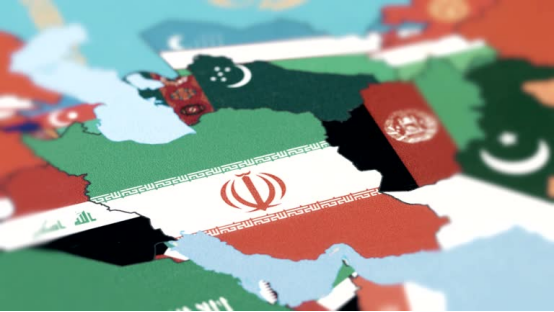
2. Iran: A History of Strained Relations
While not subject to an outright travel ban like North Korea, Iran remains one of the most challenging countries for Americans to visit. The U.S. Department of State maintains a “Level 4: Do Not Travel” advisory for Iran due to the risk of wrongful detention and the arbitrary enforcement of local laws.
Navigating the Visa Process
American citizens (along with British and Canadian citizens) must book a tour with a government-approved guide who must accompany them for the entire duration of their stay. The visa application process is lengthy, unpredictable, and often results in rejection without explanation. Furthermore, the lack of diplomatic relations means there is no U.S. embassy in Iran to provide consular assistance in case of an emergency.
The Cultural Context
The difficulty is rooted in the aftermath of the 1979 Islamic Revolution and the subsequent U.S. embassy hostage crisis, which severed diplomatic ties. Despite the political tensions, Iran boasts an incredibly rich Persian history, stunning architecture, and a reputation for warm hospitality, making it a place of great interest for intrepid travelers who can navigate the bureaucratic hurdles.
3. Syria: A Nation in Active Conflict
Syria is unequivocally off-limits for any form of tourism or casual travel. The country has been devastated by a brutal civil war that began in 2011, and the U.S. government has a stark “Level 4: Do Not Travel” advisory in place.
The Unacceptable Risks
The primary reasons for this restriction are clear and severe: active armed conflict, terrorism, civil unrest, and the high risk of kidnapping. The U.S. government closed its embassy in Damascus in 2012, leaving no possibility of providing consular services to citizens. Traveling to Syria is not only a violation of U.S. government advice but also extremely perilous, with numerous active front lines and the presence of various armed groups.
The Humanitarian Crisis
Before the conflict, Syria was a jewel of the Middle East, home to ancient cities like Damascus and Aleppo, and a wealth of archaeological treasures. Today, the focus is entirely on the ongoing humanitarian crisis. Any American presence in the country is limited to a few highly specialized journalists and aid workers operating under extreme security protocols.
4. Cuba: The Embargo’s Long Shadow
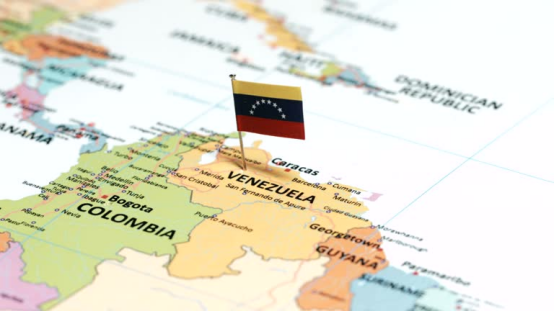
Travel to Cuba for American citizens is more nuanced than a simple ban. While general tourism is strictly prohibited under the terms of the long-standing U.S. trade embargo, travel is legally possible for those who qualify under one of 12 specific categories.
The “12 Categories” of Legal Travel
The U.S. Treasury Department’s Office of Foreign Assets Control (OFAC) outlines the approved reasons for travel. These are not tourist activities. They include:
- Family visits
- Official government business
- Journalistic activity
- Professional research and meetings
- Religious activities
- Public performances, clinics, workshops, and athletic competitions
- Support for the Cuban People
- Humanitarian projects
The “Support for the Cuban People” category is the most commonly used, requiring travelers to maintain a full-time schedule of activities that support the local populace, such as staying in private homes (casas particulares) and eating at private restaurants (paladares), rather than state-run hotels.
5. Bhutan: High Value, Low Impact Tourism
Unlike the other countries on this list, the barrier to visiting Bhutan is not political hostility but a deliberate and unique national policy. The Kingdom of Bhutan prioritizes environmental conservation and cultural preservation through a “High Value, Low Impact” tourism model.
The Sustainable Development Fee (SDF)
The core of this policy is the mandatory Sustainable Development Fee (SDF). For many years, this was a minimum daily package of around $250 per person. As of 2022, the policy was updated to a flat SDF of $200 per person, per night (later reduced to $100 to boost tourism). This fee, which goes towards funding social programs, infrastructure, and conservation, is in addition to the traveler’s own costs for accommodation, food, and guides.
The Allure of an Exclusive Destination
This high cost effectively makes Bhutan one of the world’s most exclusive and expensive travel destinations. The goal is to attract discerning travelers who respect the local culture and environment, thereby avoiding the negative impacts of mass tourism. For those who can afford it, Bhutan offers a pristine Himalayan landscape, a deeply spiritual Buddhist culture, and the famous philosophy of Gross National Happiness.
Travel Restriction Comparison
Understanding the nuances between these destinations is key. The reasons for travel difficulty vary dramatically from active war zones to specific economic policies.
| Country | Reason for Restriction | US Govt. Advisory | Primary Barrier |
|---|---|---|---|
| North Korea | Geopolitical Hostility / U.S. Law | Level 4: Do Not Travel | U.S. passport invalid for travel |
| Iran | Strained Diplomatic Relations | Level 4: Do Not Travel | Risk of detention / Difficult visa process |
| Syria | Active Civil War / Extreme Danger | Level 4: Do Not Travel | Active conflict and terrorism |
| Cuba | U.S. Economic Embargo | Level 3: Reconsider Travel | Legal prohibition on general tourism |
| Bhutan | National Tourism Policy | Level 1: Exercise Normal Precautions | High mandatory daily fee (SDF) |
Expert Advice for Navigating Global Travel Restrictions
For any international travel, but especially to complex regions, preparation and awareness are paramount.
- Always Check the State Department: The U.S. Department of State’s travel advisories are the most reliable source of information on safety and entry requirements. Check their website before planning and before departing.
- Understand the “Why”: Knowing if a restriction is due to a U.S. law (Cuba, North Korea) versus a foreign government’s policy (Bhutan) or a security situation (Syria) is critical. This context dictates the nature of the risk.
- Consular Assistance is Not a Guarantee: In countries with no U.S. diplomatic presence, like Iran and North Korea, the U.S. government’s ability to help you in an emergency is extremely limited or non-existent.
- Travel Insurance Nuances: Most standard travel insurance policies are void if you travel to a country against official government advice (i.e., a Level 4 advisory). Specialized insurance may be required.
Frequently Asked Questions (FAQ)
-
What happens if I travel to a “Do Not Travel” country anyway?
- While the U.S. government cannot prevent you from going to many of these places (except North Korea, where using a U.S. passport is illegal), it has significant consequences. Your travel insurance will likely be void, and your ability to receive consular assistance from U.S. embassies in an emergency could be severely limited or impossible. You also face the direct risks outlined in the advisory, such as kidnapping or wrongful detention.
-
Can I use a second passport from another country to get around these restrictions?
- For dual nationals, this can be an option for certain countries. However, if you are a U.S. citizen, the U.S. government expects you to adhere to its laws, such as the embargo on Cuban tourism. Furthermore, if you enter a country like Iran on a non-U.S. passport and encounter trouble, the Iranian government may not recognize your U.S. citizenship, making it impossible for U.S. officials to assist you.
-
Are these travel restrictions permanent?
- No, they are subject to change based on the geopolitical landscape. For example, U.S.-Cuba relations and travel policies have shifted significantly over the past decade. State Department advisories are reviewed and updated regularly based on current conditions. It’s essential to check for the latest information before considering any travel.
-
Why is Bhutan on a list with countries like Syria and North Korea?
- This is a crucial distinction. Bhutan is on this list due to accessibility and cost, not danger or political hostility. Its unique “High Value, Low Impact” tourism policy, with its high daily fee, makes it one of the most difficult and expensive countries for the average traveler to visit. The U.S. State Department considers it a very safe destination.
