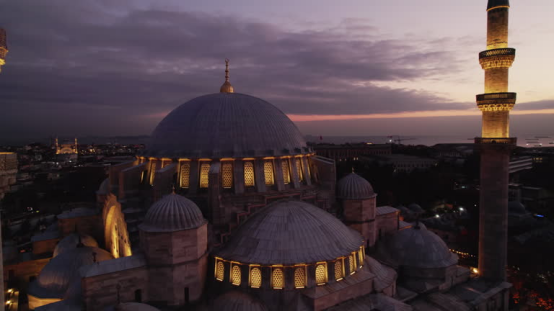
The Middle East: A Paradox of Wealth and Conflict
The Middle East remains one of the most enigmatic and vital regions in the global landscape. Often characterized by a duality of immense natural resource wealth and chronic geopolitical volatility, it sits at the crossroads of three continents. Understanding this region requires looking past the superficial “powder keg” narrative to analyze the underlying economic and structural drivers.
Resource Wealth vs. Political Instability
The region’s reliance on hydrocarbon exports has historically fueled both rapid modernization and intense external interest. This wealth acts as a catalyst for infrastructure development while simultaneously creating high-stakes competition among global superpowers.
- Economic Dependency: Many regional economies remain tethered to global energy demand, creating vulnerability to market shifts.
- Security Architecture: The density of energy infrastructure necessitates a complex, often fragile, regional security arrangement.

Iran’s Natural Defense Fortress: A Geographical Analysis
Iran occupies a unique position in global military history due to its formidable topography. Unlike many flat, open nations, Iran’s geography functions as a natural bunker, complicating any potential external military intervention or invasion scenario.
The Role of Mountain Ranges
The Zagros and Alborz mountain ranges form a massive, rugged barrier that surrounds the Iranian plateau. This topography provides a strategic depth that is almost unparalleled in the modern world.
- Zagros Mountains: These act as a natural wall, effectively shielding the heartland from western ingress.
- Alborz Mountains: These provide a secondary line of defense, securing the northern corridors and the capital.
Strategic Depth and Military Doctrine
Because of this terrain, Iran has focused its military doctrine on asymmetric warfare. The reliance on natural geography allows the state to maintain a defensive posture that forces adversaries into high-cost, high-risk operational environments.
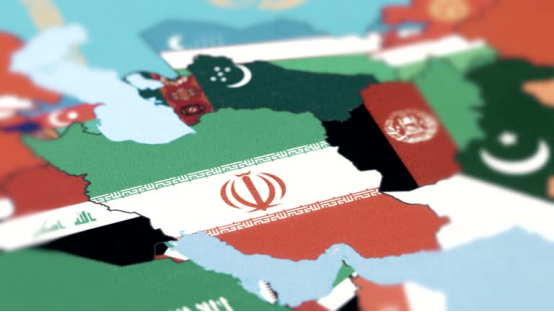
The True Face of Iran: A Regional Giant
When observing Iran on a global map, it is common for the scale and influence of the nation to be underestimated by Western observers. Iran is not merely a regional actor but a civilizational state with deep historical roots and significant demographic weight.
Demographic and Cultural Influence
Iran boasts a large, highly educated, and ethnically diverse population. Its cultural reach extends far beyond its political borders, influencing regional discourse through history, language, and religion.
| Factor | Strategic Impact |
|---|---|
| Population Size | Provides sustained military and economic output. |
| Geographic Location | Dominates the northern Persian Gulf and transit routes. |
| Technological Base | Advanced indigenous research in aerospace and defense. |
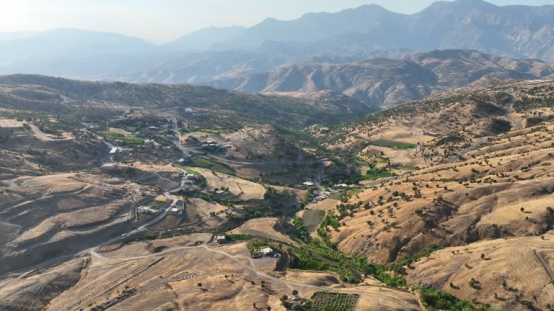
Advanced Strategies for Regional Stability
Moving forward, the stability of the Middle East depends on the integration of regional powers into a cohesive security framework. The “powder keg” label is often a byproduct of the lack of regional dialogue, which Iran is uniquely positioned to influence.
The Future of Regional Cooperation
Diplomatic efforts are increasingly focused on balancing the interests of local stakeholders against the influence of extra-regional powers. The shifting multipolar world order suggests that regional giants like Iran will play a central role in any future security architecture.
Frequently Asked Questions (FAQ)
- Q1: Why is Iran considered geographically secure?
- Iran is surrounded by massive mountain ranges (Zagros and Alborz) and vast deserts. This rugged terrain creates a “natural fortress” that makes large-scale invasion logistically difficult and costly for any foreign power.
- Q2: How does oil wealth affect Middle Eastern geopolitics?
- Oil wealth provides the financial capital for development but also makes the region a primary target for global strategic interests, often leading to proxy conflicts and external intervention.
- Q3: Is Iran’s influence underestimated by global maps?
- Yes, many standard projections distort the scale of Middle Eastern nations. Iran’s actual territorial size, combined with its strategic location between the Caspian Sea and the Persian Gulf, gives it significant control over regional transit.
- Q4: What is the primary military doctrine of Iran?
- Iran employs an asymmetric warfare doctrine, leveraging its difficult terrain and indigenous defense technology to neutralize the technological superiority of potential adversaries.
