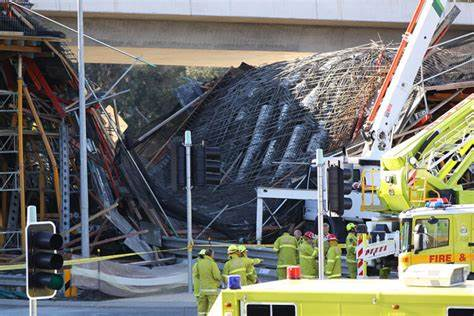
In the complex world of construction and engineering, monumental achievements stand alongside sobering reminders of what can go wrong. Engineering failures and construction accidents, while often devastating, are not inevitable. They are, in most cases, preventable outcomes stemming from a confluence of factors. This ultimate guide delves into the core essence of these incidents, moving beyond superficial explanations to uncover the underlying principles, historical lessons, and forward-looking strategies essential for building a safer, more resilient future.
Understanding Engineering Failures & Construction Accidents
An engineering failure refers to the inability of a structure, system, or component to perform its intended function, often leading to partial or complete collapse, malfunction, or loss of life. Construction accidents, while sometimes distinct, frequently intersect with engineering failures, encompassing incidents that occur during the construction phase, from minor injuries to catastrophic structural collapses.
The “Why” Behind the What: The Criticality of Prevention
Understanding the root causes is paramount because the consequences of failure extend far beyond immediate damage. They include significant financial losses, legal liabilities, severe environmental impact, and, most tragically, loss of human life and long-term psychological trauma. The societal and economic imperative to prevent these incidents drives continuous innovation in safety protocols, design methodologies, and regulatory frameworks.
Historical Context: Lessons from Major Disasters
History is replete with examples of engineering failures that have reshaped our understanding of safety. The collapse of the Tacoma Narrows Bridge in 1940, due to aeroelastic flutter, revolutionized bridge design. The Hyatt Regency walkway collapse in 1981, caused by a design change in hanger rod connections, highlighted the critical need for meticulous review of all design modifications. These incidents, among many others, serve as stark reminders that every structure is a testament to human ingenuity and, simultaneously, a potential vulnerability if safety is compromised. Learning from these past events forms the bedrock of modern prevention strategies, emphasizing rigorous analysis and comprehensive risk assessment.

Common Causes of Engineering Failures
Engineering failures are rarely attributable to a single factor. More often, they are the result of a complex interplay of systemic issues, human errors, and unforeseen circumstances. Identifying these common causes is the first step towards effective prevention.
Design Flaws & Errors
One of the most fundamental causes, design flaws can range from incorrect calculations of load-bearing capacity to inadequate consideration of environmental stresses. These errors, if undetected, propagate through the entire project lifecycle, embedding inherent weaknesses into the structure or system. This includes misinterpretations of building codes, insufficient factor of safety, or overlooking dynamic forces like wind and seismic activity.
Material Defects & Quality Control Issues
The integrity of a structure is only as strong as its weakest material. Defects in raw materials (e.g., substandard concrete, flawed steel, brittle welds) or improper handling and storage can compromise structural integrity. Inadequate quality control during manufacturing or on-site installation can allow these defects to go unnoticed until it’s too late. The “why” here is often economic pressure leading to cheaper, less reliable materials, or a lack of rigorous testing protocols.
Human Error & Inadequate Training
From miscommunication on the job site to errors by skilled technicians, human error is a pervasive factor. This can manifest as incorrect assembly, improper operation of machinery, or failure to follow safety protocols. Insufficient training, a lack of experience, or poor supervision directly contribute to these errors, underscoring the need for continuous professional development and robust oversight.
Environmental Factors & Natural Disasters
While often unpredictable, environmental factors such as extreme weather (hurricanes, heavy snow, high winds), seismic activity, or soil instability can push even well-designed structures beyond their limits. Failures in these scenarios often highlight inadequate geological surveys, underestimation of environmental loads, or a lack of resilient design principles tailored to specific regional risks.
Poor Project Management & Communication Breakdown
Effective project management is the backbone of safe construction. Failures can stem from unrealistic timelines, budget cuts impacting safety measures, or a lack of clear communication channels between designers, engineers, contractors, and site workers. When information is siloed or misinterpreted, critical details can be overlooked, leading to catastrophic consequences.
Inadequate Regulatory Oversight
Building codes, regulations, and inspection regimes are designed to ensure minimum safety standards. When these are weak, unenforced, or circumvented, the risk of failure increases significantly. A lack of independent oversight or corruption can undermine even the best intentions, allowing unsafe practices to persist.

Proactive Prevention Strategies
Moving from understanding causes to implementing solutions requires a proactive, multi-faceted approach. Prevention is always more effective and less costly than reaction.
Comprehensive Planning & Design Reviews
The foundation of prevention lies in the initial planning and design phases. This involves meticulous site investigation, detailed geological surveys, and thorough risk assessments. Design reviews are not merely bureaucratic hurdles; they are critical checkpoints where multidisciplinary teams scrutinize plans for potential flaws, adherence to codes, and resilience against anticipated loads and environmental factors.
Robust Quality Assurance & Control (QA/QC)
QA/QC protocols ensure that materials meet specifications and construction processes adhere to design. This includes systematic testing of materials (e.g., concrete strength, steel integrity), regular site inspections, and verification of work against blueprints. The “why” is to catch defects early, preventing them from becoming embedded structural weaknesses. This process should be continuous, from material procurement to final handover.
Advanced Risk Assessment & Management
Risk assessment is the systematic identification, analysis, and evaluation of potential risks. Risk management then involves developing strategies to mitigate or eliminate these risks. This isn’t a one-time activity but an ongoing process throughout a project’s lifecycle, incorporating probabilistic analysis and scenario planning. Terms like “failure mode and effects analysis” (FMEA) and “hazard and operability studies” (HAZOP) are central to this discipline, helping teams foresee potential points of failure and design safeguards.
Implementing a Strong Safety Culture
Beyond regulations and procedures, a strong safety culture is arguably the most powerful preventative measure. It’s an environment where safety is a shared value, not just a rule. Workers feel empowered to report hazards, stop unsafe work, and actively participate in safety improvement. Leadership commitment, open communication, and continuous reinforcement are key to cultivating this culture, ensuring that safety is everyone’s responsibility, from the CEO to the newest apprentice.
Effective Training & Certification Programs
Well-trained personnel are less prone to error. Comprehensive training programs should cover job-specific skills, safety protocols, equipment operation, and emergency procedures. Certification ensures that individuals possess the necessary competencies. Continuous education and refresher courses are vital to keep skills sharp and adapt to new technologies and risks.
Leveraging Technology: BIM, AI, IoT
The future of prevention is increasingly technological. Building Information Modeling (BIM) allows for virtual construction, identifying clashes and design issues before physical work begins. Artificial Intelligence (AI) can analyze vast datasets to predict potential failures, optimize designs, and monitor site conditions. Internet of Things (IoT) sensors embedded in structures can provide real-time data on stress, temperature, and movement, enabling predictive maintenance and early warning systems. These technologies enhance precision, reduce human error, and provide unprecedented insights into structural health.
Pro Tips for Maximizing Construction Safety
- Embrace a “Safety First” Mindset: Integrate safety into every decision, from project inception to completion.
- Regularly Review and Update Protocols: Safety guidelines are not static; they must evolve with new technologies, materials, and lessons learned.
- Foster Open Communication: Encourage all personnel to report concerns without fear of reprisal. Create anonymous reporting channels if necessary.
- Invest in Continuous Training: Ensure all workers, regardless of experience level, receive ongoing safety education and skill development.
- Utilize Independent Audits: Periodically engage third-party safety experts to review practices and identify blind spots.
- Learn from Near Misses: Treat near misses as valuable learning opportunities, investigating them with the same rigor as actual accidents.
Comparison: Proactive vs. Reactive Safety Approaches
| Feature | Proactive Safety Approach | Reactive Safety Approach |
|---|---|---|
| Focus | Prevention, risk mitigation, foresight | Response to incidents, damage control |
| Timing | Before incidents occur (planning, design) | After incidents occur (investigation, corrective action) |
| Cost | Investment in prevention (design, training, QA) | High costs of accidents (repairs, lawsuits, downtime) |
| Outcome | Reduced incidents, improved safety culture, efficiency | Learning from mistakes, potential for recurrence |
| Strategy | Systemic analysis, continuous improvement, risk assessment | Incident investigation, blame assignment, remedial action |
Key Terms in Construction Safety
- Structural Integrity
- The ability of a structure to withstand its intended loads without failure. It encompasses the strength, stability, and durability of all components and their connections, ensuring the structure remains safe and performs its function over its design life.
- Risk Assessment
- A systematic process of identifying potential hazards and evaluating the likelihood and severity of harm. It involves analyzing what could go wrong, who might be harmed, and how to prevent it, forming the basis for risk management strategies.
- Quality Control (QC)
- The operational techniques and activities used to fulfill requirements for quality. In construction, this involves monitoring processes, inspecting materials and workmanship, and testing components to ensure they meet specified standards and design parameters.
- Safety Culture
- The shared attitudes, beliefs, perceptions, and values that employees share in relation to safety. A positive safety culture prioritizes safety over production, encourages reporting of hazards, and promotes continuous improvement in safety performance.
Preventing engineering failures and construction accidents is an ongoing journey, not a destination. It demands continuous vigilance, a commitment to learning, and a proactive approach that integrates safety into every fiber of a project. By understanding the causes, implementing robust prevention strategies, and fostering a strong safety culture, the construction and engineering industries can continue to build the future with confidence and responsibility.
Frequently Asked Questions (FAQ)
- What is the primary difference between an engineering failure and a construction accident?
- An engineering failure typically refers to a design flaw or material defect that causes a structure or system to fail its intended function, often with catastrophic results. A construction accident, while it can be caused by an engineering failure, more broadly encompasses any incident occurring during the construction phase, such as falls, equipment malfunctions, or injuries, which may or may not lead to a structural failure.
- How do human errors contribute significantly to construction failures?
- Human errors are a major factor, ranging from miscommunications, inadequate training, poor supervision, or failure to follow established safety protocols. These errors can lead to incorrect installations, improper use of equipment, or overlooking critical details during design and construction, ultimately compromising safety and structural integrity.
- What role does technology play in preventing future engineering failures?
- Technology is increasingly vital. Tools like Building Information Modeling (BIM) allow for virtual design clash detection. AI and machine learning can predict potential failures by analyzing data. IoT sensors provide real-time monitoring of structural health. These technologies enhance precision, reduce human error, and offer predictive capabilities for early intervention.
- Why is a strong safety culture considered more effective than just strict regulations?
- While regulations set minimum standards, a strong safety culture instills a shared value for safety among all personnel. It empowers workers to identify and report hazards, encourages proactive problem-solving, and ensures that safety is prioritized even when not explicitly mandated, leading to more consistent and effective risk mitigation.
- What are the immediate steps to take after a construction accident occurs?
- Immediately after an accident, the priority is to ensure the safety of all personnel, administer first aid, and secure the site to prevent further harm. This must be followed by reporting the incident to relevant authorities, conducting a thorough investigation to determine root causes, and implementing corrective actions to prevent recurrence.
