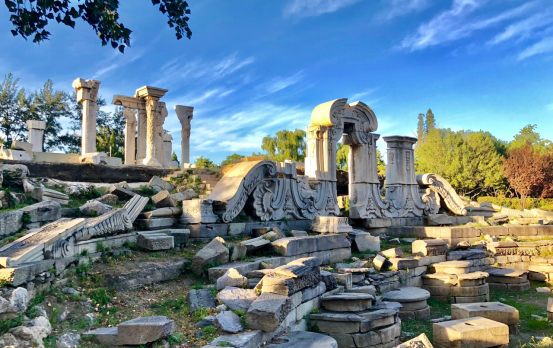
The Anatomy of Cultural Heritage Loss
Cultural heritage represents the collective memory of humanity. When historical sites are destroyed, we lose more than just stone and mortar; we lose the tangible link to our ancestral narratives. The destruction of these sites is rarely a singular event but rather the culmination of environmental stressors and systemic neglect.
The Impact of Natural Disasters
Geological and meteorological events present the most immediate physical threat to heritage sites. Earthquakes can destabilize foundations, while floods introduce moisture that accelerates the decay of organic materials and limestone structures.
Anthropogenic Factors and Conflict
Human-driven destruction, including armed conflict, urban expansion, and industrial pollution, often inflicts deeper, more permanent damage than natural forces. Intentional destruction—often referred to as ‘cultural cleansing’—seeks to erase the identity of a civilization.

Mechanisms of Site Degradation
Understanding how a site fails is the first step toward effective mitigation. We categorize these threats into physical, chemical, and biological degradation processes that erode structural integrity over time.
Physical and Chemical Erosion
Pollutants such as sulfur dioxide react with stone surfaces to create gypsum crusts, which eventually peel away, stripping monuments of their intricate detailing. This process is exacerbated by acid rain and fluctuating temperatures.
The Role of Neglect and Lack of Funding
Many sites collapse not because of a sudden disaster, but because of a lack of consistent maintenance. Without structural reinforcement and moisture control, even the most resilient structures succumb to the elements.
| Threat Type | Primary Impact | Mitigation Strategy |
|---|---|---|
| Seismic Activity | Structural collapse | Base isolation & retrofitting |
| Climate Change | Erosion & flooding | Drainage & climate control |
| Armed Conflict | Direct demolition | Digital archiving & protection |

Strategies for Modern Preservation
The future of heritage preservation lies in the integration of traditional conservation techniques with cutting-edge digital technologies. By creating ‘digital twins’ of historical sites, we ensure that even if the physical structure is lost, the data remains for future reconstruction.
Pro Tips for Heritage Management
- Implement 3D laser scanning to document every architectural detail before degradation occurs.
- Develop local community engagement programs to foster a sense of ownership and protection.
- Prioritize ‘preventive conservation’ over reactive restoration to minimize long-term costs.
- Establish international emergency response protocols for heritage sites in conflict zones.
Frequently Asked Questions (FAQ)
- Why is the destruction of cultural heritage considered a global crisis?
- It is a crisis because heritage sites are non-renewable resources. Once destroyed, the original craftsmanship, historical context, and cultural identity they represent are lost to future generations permanently.
- How does climate change specifically affect historical sites?
- Rising sea levels threaten coastal heritage, while extreme weather patterns increase the frequency of flooding and temperature-related damage to ancient masonry.
- What is digital preservation in the context of archaeology?
- Digital preservation involves using high-resolution photography, 3D modeling, and photogrammetry to create a complete, accurate digital record of a site, allowing for virtual study and future physical reconstruction.
- Can damaged historical sites be fully restored?
- Restoration is a complex balance between structural safety and historical authenticity. While modern technology can rebuild structures, the original patina and historical integrity are often difficult to replicate perfectly.
