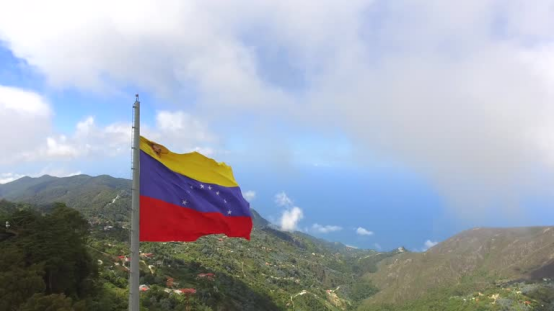
Venezuela: Resource-Rich Nation Facing Economic Challenges
Venezuela, a South American nation situated on the northern coast, is renowned for its extraordinary natural beauty and its immense wealth of natural resources, most notably its vast oil reserves. These reserves are among the largest in the world, positioning Venezuela as a significant player in the global energy market. Beyond oil, the country boasts diverse mineral deposits, including iron ore, bauxite, gold, and diamonds, as well as significant agricultural potential. Its geography is equally varied, featuring Caribbean coastlines, the Andes mountains, the vast Llanos plains, and a portion of the Amazon rainforest. Despite this abundance, Venezuela has grappled with profound and persistent economic challenges, including hyperinflation, currency devaluation, shortages of basic goods, and a significant decline in living standards for much of its population. The intricate interplay between its resource endowment and its economic policies has led to a complex and often volatile socio-economic landscape.
Geological Wealth and Oil Dominance
The economic backbone of Venezuela has historically been its oil industry. The discovery and exploitation of petroleum in the early 20th century transformed the nation from an agrarian society into one heavily dependent on hydrocarbon exports. The Orinoco Belt, in particular, holds massive heavy crude oil reserves, making Venezuela a crucial supplier in the international oil market. This reliance on a single commodity, however, has created significant economic vulnerabilities, making the nation susceptible to fluctuations in global oil prices. The state-owned Petróleos de Venezuela, S.A. (PDVSA) plays a central role in the economy, controlling the extraction, refining, and export of oil. The management and operational efficiency of PDVSA, alongside national and international oil prices, directly impact Venezuela’s fiscal health and overall economic stability.
Beyond Oil: Other Natural Resources
While oil dominates the narrative, Venezuela’s natural resource portfolio extends far beyond petroleum. The country possesses substantial deposits of iron ore, crucial for steel production, and bauxite, the primary ore for aluminum. Gold and diamond mining also contribute to the national economy, though often in less formalized sectors. Furthermore, Venezuela’s diverse climates and fertile lands support a wide range of agricultural products, including coffee, cocoa, rice, corn, and tropical fruits. The Orinoco River basin and the Guiana Highlands offer significant hydroelectric power potential, yet a substantial portion of this remains underdeveloped. The sustainable management and diversified exploitation of these non-oil resources are critical for long-term economic resilience and reducing dependence on volatile oil markets.
Economic Challenges and Social Impact
Venezuela’s economic narrative is largely defined by its persistent crises. Hyperinflation has eroded purchasing power, making everyday necessities unaffordable for many. The national currency, the bolívar, has experienced severe devaluation, further exacerbating economic hardship. Widespread shortages of food, medicine, and other essential goods have become a common feature, leading to a humanitarian crisis and significant outward migration. Various factors have contributed to this situation, including a decline in oil production due to mismanagement and underinvestment, extensive government spending, corruption, and the impact of international sanctions. The social fabric has been strained, with increased poverty, crime rates, and a decline in public services. Addressing these multifaceted economic and social issues requires comprehensive policy reforms and a stable political environment.

Ecuador: A Natural Wonder and a Livable Country Straddling the Equator
Ecuador, officially the Republic of Ecuador, is a South American nation situated on the equator, from which it derives its name. It is a country of extraordinary biodiversity and geographical diversity, encompassing the Andean highlands, the Amazon rainforest, and the Pacific coastal region, as well as the Galápagos Islands. This rich tapestry of ecosystems supports an incredible array of flora and fauna, making Ecuador a global hotspot for biodiversity. Economically, Ecuador’s development has been significantly shaped by its natural resources, with oil being the primary export commodity. However, the country also benefits from significant agricultural production, including bananas (of which it is the world’s largest exporter), shrimp, flowers, and cocoa. Its strategic location on the equator presents unique geographical and climatic conditions that influence its ecosystems and agricultural output. Despite its natural wealth, Ecuador, like many nations in the region, faces ongoing challenges related to economic diversification, poverty reduction, and sustainable development.
Geographical Marvels and Biodiversity Hotspots
Ecuador’s defining characteristic is its extreme geographical diversity packed into a relatively small area. The western coastal region is characterized by fertile plains and beaches, while the central Andean highlands are dominated by a spine of volcanoes, including the active Cotopaxi. To the east lies the vast Amazon basin, home to dense rainforests and a staggering variety of wildlife. Off the coast, the Galápagos Islands, a UNESCO World Heritage site, are a living laboratory of evolution, famous for their unique species that inspired Charles Darwin. This diverse geography supports an unparalleled level of biodiversity, with countless species of plants, birds, mammals, and insects found within its borders. Protecting these ecosystems is crucial not only for their intrinsic value but also for the ecosystem services they provide, such as water regulation and climate control.
Economic Pillars: Oil, Agriculture, and Exports
The Ecuadorian economy has historically been driven by its natural resources. Since the 1970s, oil has been the country’s main export and a significant source of government revenue. The exploitation of oil fields, primarily in the Amazonian region, has funded much of Ecuador’s development. However, this reliance has also made the economy vulnerable to global oil price fluctuations. Beyond oil, Ecuador is a global leader in agricultural exports. It is the world’s largest exporter of bananas, a position it has maintained for decades due to favorable climate and soil conditions. Other key agricultural exports include shrimp, flowers, tuna, and cocoa. The country also has a growing tourism sector, particularly focused on the Galápagos Islands and the diverse natural landscapes. Efforts to diversify the economy and move towards higher-value industries are ongoing but present significant challenges.
Living on the Equator: Challenges and Opportunities
Being situated directly on the equator imbues Ecuador with unique climatic patterns. The country experiences relatively consistent temperatures throughout the year, with distinct wet and dry seasons in different regions. The equatorial location also means that days and nights are of roughly equal length year-round. For its population, living in a country rich in natural resources presents both opportunities and challenges. While these resources can fuel economic growth and improve living standards, their exploitation must be balanced with environmental protection and social equity. Issues such as deforestation, water pollution from oil extraction, and the equitable distribution of wealth derived from natural resources remain critical concerns. Furthermore, Ecuador faces the ongoing challenge of reducing poverty and inequality, ensuring that the benefits of its natural wealth are shared broadly across its population.

Bolivia: A Poor Country Sitting on a Gold Mine
Bolivia, a landlocked country located in the heart of South America, is characterized by its dramatic geographical contrasts, ranging from the high Andean peaks to the tropical lowlands of the Amazon basin. Despite being one of the poorest countries in the region, Bolivia is exceptionally rich in natural resources. It possesses vast reserves of minerals, including tin, silver, zinc, lead, and copper, and is a major global producer of lithium, with the world’s largest known reserves found in its Uyuni salt flats. The country also has significant natural gas deposits, which are a key export commodity. However, Bolivia’s economic development has been historically hampered by a combination of factors, including its landlocked status, political instability, and a legacy of resource exploitation that has not always translated into widespread prosperity for its population. The stark disparities between its immense mineral wealth and the economic reality for many of its citizens have led to the descriptor “a poor country sitting on a gold mine.”
Mineral Wealth: A Double-Edged Sword
Bolivia’s mineral wealth is staggering. The Andes mountains are a treasure trove of precious and base metals. Historically, silver mining in Potosí was one of the richest sources of wealth in the colonial era, though at immense human cost. Today, Bolivia remains a significant producer of tin, zinc, and lead. More recently, the discovery of vast lithium reserves, particularly in the Salar de Uyuni, has placed Bolivia at the forefront of discussions about the future of electric vehicles and battery technology. Lithium is a critical component in rechargeable batteries, and Bolivia’s holdings represent a significant portion of the global supply. However, the extraction and processing of these minerals are complex and capital-intensive. Challenges include developing the necessary infrastructure, attracting foreign investment, ensuring environmental sustainability, and establishing fair revenue-sharing agreements. The nation’s reliance on commodity prices means its economy is still susceptible to global market volatility.
Natural Gas: A Crucial Export
Beyond its mineral riches, Bolivia holds substantial reserves of natural gas, making it one of the largest producers and exporters of natural gas in South America. The discovery and exploitation of these gas fields, primarily in the southern lowlands, have been a significant driver of the Bolivian economy, particularly in the early 21st century. Natural gas exports, mainly to Brazil and Argentina, provide a crucial source of foreign exchange and government revenue. The state-owned Yacimientos Petrolíferos Fiscales Bolivianos (YPFB) manages the oil and gas sector. However, the long-term sustainability of gas production, the need for further exploration and investment, and the fluctuating global energy market present ongoing challenges. Furthermore, the revenues generated from gas exports need to be strategically reinvested to foster economic diversification and reduce dependence on this single commodity.
Economic Realities and Development Hurdles
Despite its abundant natural resources, Bolivia consistently ranks among the poorest countries in South America. Several factors contribute to this paradox. Its landlocked geography significantly increases transportation costs for exports and imports, hindering its competitiveness in global markets. Political instability and a history of resource-driven conflicts have often deterred consistent long-term investment. While the government has made efforts to nationalize key industries and ensure greater state control over resource revenues, questions remain about the efficiency of state-owned enterprises and the equitable distribution of wealth. Poverty remains widespread, particularly in rural and indigenous communities. Addressing these deep-seated issues requires not only effective resource management but also significant investment in education, healthcare, infrastructure, and the development of non-extractive industries to create a more diversified and resilient economy for all Bolivians.

Frequently Asked Questions (FAQ)
- What are the primary natural resources of Venezuela?
- Venezuela’s primary natural resource is oil, possessing some of the largest proven reserves globally, particularly in the Orinoco Belt. It also has significant deposits of iron ore, bauxite, gold, and diamonds, along with substantial agricultural potential and hydroelectric power resources.
- How does Ecuador’s location on the equator influence its environment?
- Ecuador’s equatorial location results in relatively consistent temperatures year-round and roughly equal day and night lengths. This unique position, combined with its diverse topography, supports exceptional biodiversity, making it a global hotspot for various ecosystems and species, from the Andes to the Amazon and the Galápagos Islands.
- Why is Bolivia described as a “poor country sitting on a gold mine”?
- This description highlights the paradox of Bolivia’s economy. The country possesses immense mineral wealth, including tin, silver, zinc, copper, and the world’s largest lithium reserves, as well as significant natural gas deposits. However, despite this resource abundance, a large portion of its population lives in poverty, often due to factors like its landlocked status, political instability, and challenges in equitable resource distribution and economic diversification.
- What are the major economic challenges faced by these three South American nations?
- Common economic challenges include over-reliance on commodity exports (especially oil and minerals), vulnerability to global price fluctuations, political instability, insufficient infrastructure, difficulties in economic diversification, poverty, and inequality. Venezuela also faces hyperinflation and widespread shortages, while Bolivia’s landlocked status poses significant trade hurdles.
- What role does lithium play in Bolivia’s economic future?
- Bolivia holds the world’s largest known lithium reserves, a critical component for rechargeable batteries used in electric vehicles and other electronics. This positions Bolivia to potentially play a pivotal role in the global transition to clean energy. However, realizing this potential requires significant investment in extraction technology, processing capabilities, and strategic international partnerships to ensure economic benefits are maximized and shared equitably.
