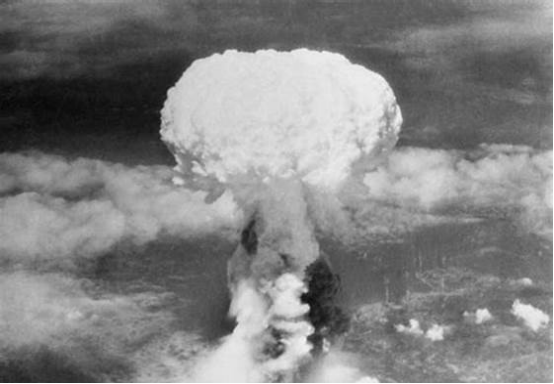
The Existential Threat of Nuclear Warfare
The specter of nuclear conflict remains the most significant existential risk facing humanity. Unlike conventional warfare, the deployment of nuclear weapons introduces instantaneous thermal radiation, blast waves, and long-term radioactive fallout that can render vast geographic regions uninhabitable for generations.
Mechanisms of Nuclear Destruction
Nuclear detonations operate through a combination of extreme kinetic energy and ionizing radiation. The primary damage vectors include:
- Thermal Pulse: The initial flash creates a thermal wave capable of igniting flammable materials miles from the hypocenter.
- Blast Wave: The rapid expansion of air creates a pressure wave that levels infrastructure and causes massive trauma to biological structures.
- Ionizing Radiation: Immediate gamma and neutron radiation cause acute radiation syndrome, while long-term fallout contaminates food chains and water supplies.

Historical Lessons from Nuclear Leak Incidents
The history of nuclear energy is punctuated by catastrophic leaks and meltdowns that serve as cautionary tales for the risks inherent in nuclear technology. Examining these incidents provides essential data on containment failure and long-term environmental remediation.
Key Case Studies in Nuclear Failure
Major historical events have demonstrated that human error, design flaws, and natural disasters can converge to cause nuclear containment breaches. The following table compares the scope of major historical events:
| Incident | Primary Cause | Long-term Impact |
|---|---|---|
| Chernobyl (1986) | Design Flaw/Human Error | Exclusion zone, long-term health decline |
| Fukushima (2011) | Natural Disaster/Tsunami | Marine contamination, mass displacement |

Humanitarian Disasters in Modern Conflict
Man-made conflicts are not limited to the battlefield; they systematically dismantle the social and economic foundations of nations. The secondary effects of warfare often kill more civilians than direct combat, primarily through the destruction of critical infrastructure.
The Domino Effect of War
When conflict erupts, the breakdown of civil services triggers a chain reaction of humanitarian suffering. This includes the loss of clean water, healthcare access, and food security. These factors often force mass migration, leading to refugee crises that destabilize entire regions.

Mitigation and Future Prospects
Addressing the convergence of nuclear and humanitarian threats requires a multi-layered approach to global policy. Strengthening international treaties and investing in resilient civil infrastructure are the only viable paths to reducing global vulnerability.
Frequently Asked Questions (FAQ)
- Q1: What is the most immediate risk of nuclear fallout?
- The most immediate risk is acute radiation syndrome (ARS), followed by long-term contamination of the food supply through isotopes like Cesium-137 and Strontium-90.
- Q2: How does war exacerbate humanitarian crises?
- War creates crises by destroying the “social contract,” damaging water treatment plants, hospitals, and power grids, which leads to the collapse of public health and economic systems.
- Q3: Can nuclear energy be made completely safe?
- While modern reactor designs include passive safety features, no system is immune to catastrophic failure caused by extreme external factors or human intervention errors.
- Q4: What should be the priority in disaster preparedness?
- Priorities should include the decentralization of critical infrastructure, the stockpiling of medical supplies, and the establishment of robust, multi-national early warning systems.
