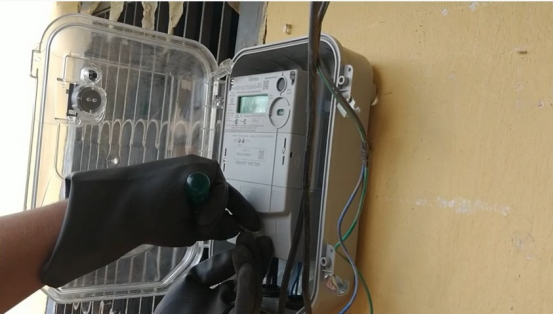
India stands at a critical juncture, balancing rapid economic growth with the foundational need for a stable and efficient power supply. Yet, beneath the surface of its modernization drive lies a deeply troubled electricity sector, plagued by a history of financial distress, crumbling infrastructure, and a problem so pervasive it has become a cultural norm: power theft. This deeply entrenched issue is not merely a matter of law enforcement but a complex socio-economic phenomenon that traps the nation’s power distribution companies (DISCOMs) in a vicious cycle of debt, preventing the very investments needed to build a resilient grid for the future. This guide unravels the historical roots of this crisis, explores the multifaceted world of electricity theft, and critically examines the government’s high-stakes bet on technology—specifically smart meters—as the key to reform.
The Historical Roots of India’s Ailing Power Sector
To understand the current crisis, one must look back at the historical structure of India’s power system. For decades following independence, the sector was dominated by vertically integrated State Electricity Boards (SEBs), which controlled generation, transmission, and distribution. While aimed at expanding electricity access, this model was fraught with inefficiency, political interference, and a lack of financial autonomy. Tariffs were often kept artificially low for political reasons, particularly for agricultural and residential consumers, leading to massive financial losses that were absorbed by state governments.
The landmark Electricity Act of 2003 was a watershed moment, intended to unbundle the SEBs, promote competition, and improve efficiency. This led to the creation of separate entities for generation, transmission, and distribution, with the latter function being handed over to what are now known as DISCOMs. However, the legacy of subsidized power and operational inefficiency was transferred to these new entities. They inherited a culture where electricity was often viewed not as a commodity to be paid for, but as a social right, setting the stage for the chronic financial ill-health that defines them today.
The Birth of DISCOMs and Inherited Debt
The unbundling process was meant to instill commercial discipline, but many DISCOMs remained state-owned and subject to the same political pressures as their predecessors. They were, and often still are, forced to sell power below the cost of procurement, creating a revenue gap that balloons into unmanageable debt. This financial instability has been addressed by successive central government bailout packages, such as the Ujwal DISCOM Assurance Yojana (UDAY), but these have largely been temporary fixes rather than a cure for the underlying systemic flaws.

Electricity Theft: A Deeply Entrenched National Problem
At the heart of the DISCOMs’ financial woes are staggering Aggregate Technical & Commercial (AT&C) losses. While technical losses are due to energy dissipation in aging transmission lines and equipment, the commercial losses are primarily driven by billing inefficiencies and, most significantly, outright electricity theft. This is not a fringe activity but a widespread practice that costs the nation billions of dollars annually. The motivations are varied, ranging from abject poverty and the inability to pay, to a sense of entitlement or a calculated business decision by small enterprises to reduce overheads.
Methods of the Masses: From Katiya to Meter Tampering
The methods of power theft are a testament to grassroots ingenuity, evolving in response to enforcement efforts. Understanding these techniques reveals the scale and complexity of the challenge.
- Katiya Connections: The most common and blatant form of theft, a “katiya” is an illegal hook or wire tapped directly onto overhead power lines, bypassing the meter entirely. Often crudely fashioned from bamboo poles and wires, these connections are prevalent in slums and rural areas, creating a dangerous and unstable web of illegal wiring.
- Meter Tampering: For those with official connections, manipulating the meter is the preferred method. This can range from physically slowing down the meter’s rotating disc with objects, to using powerful magnets to interfere with its mechanism, or even altering the internal circuitry to under-report consumption.
- Bypassing the Meter: A more sophisticated method involves creating a loop that draws power from the grid before it reaches the meter. This allows the user to run heavy appliances like air conditioners or water pumps without any record of consumption, while using the metered connection for basic lighting to avoid suspicion.
- Collusion with Utility Staff: A significant portion of commercial theft involves collusion with disgruntled or corrupt employees of the DISCOMs. These insiders can manipulate billing records, report meters as faulty, or assist in sophisticated tampering for a share of the “savings.”

The Vicious Cycle of DISCOM Debt and Underinvestment
The rampant theft and resulting high AT&C losses create a devastating feedback loop for India’s power sector. When DISCOMs cannot collect revenue for the power they distribute, their financial health deteriorates rapidly. This leads to a cascade of negative consequences that ultimately impacts every consumer and hinders national development.
Firstly, the mounting losses render DISCOMs unable to pay power generation companies (GENCOs) on time. As of late 2022, the outstanding dues of DISCOMs to power producers crossed a staggering ₹1 trillion (approximately $12.5 billion). This financial strain on GENCOs discourages new investment in power generation, threatening the country’s long-term energy security. Secondly, and perhaps more critically, the debt-ridden DISCOMs lack the capital to invest in upgrading their own infrastructure. They are forced to continue using outdated transformers, sagging cables, and inefficient distribution networks, which in turn increases technical losses and makes the grid more vulnerable to theft and blackouts. This cycle of underinvestment ensures that the quality of service remains poor, further eroding the public’s willingness to pay and perpetuating the culture of non-payment and theft.

Smart Meters: The Technological Fix for a Broken System
Frustrated by the failure of administrative and policy reforms to curb losses, the Indian government is now betting heavily on a technological solution: the nationwide rollout of smart meters. Under the Revamped Distribution Sector Scheme (RDSS), the goal is to install 250 million smart meters by 2025. Unlike traditional meters that require manual reading, smart meters offer a suite of features designed to directly combat the core problems plaguing DISCOMs.
How Smart Meters Promise to Change the Game
Smart meters represent a paradigm shift from reactive to proactive grid management. Their primary function is to provide real-time, two-way communication between the consumer and the utility.
- Automated Meter Reading (AMR): This eliminates the need for physical meter readings, eradicating opportunities for human error and corruption in the billing process.
- Remote Connect/Disconnect: Utilities can remotely cut off power to non-paying customers and reconnect them once dues are cleared, drastically improving revenue collection efficiency.
- Prepaid Functionality: Consumers can prepay for electricity, similar to a mobile phone plan. This ensures 100% revenue collection upfront and empowers consumers to manage their consumption according to their budget.
- Tamper Detection: Smart meters are equipped with sensors that can detect and report various forms of tampering in real-time, alerting the utility to potential theft.
- Real-Time Monitoring: Both utilities and consumers can monitor consumption patterns, enabling better load forecasting for the DISCOM and promoting energy conservation among users.

Challenges in the Path of Smart Meter Implementation
While the promise of smart meters is immense, their deployment on a national scale is a monumental undertaking fraught with significant challenges. The transition is far more complex than simply swapping out old hardware; it requires a complete overhaul of technological infrastructure, business processes, and consumer engagement.
Overcoming Financial, Social, and Technical Hurdles
The path to a fully smart-metered India is not straightforward. Key obstacles include:
- High Upfront Cost: The sheer cost of manufacturing, procuring, and installing 250 million meters, along with the necessary backend IT infrastructure (like Meter Data Management systems), is enormous. Financially stressed DISCOMs struggle to secure the capital for such a massive investment.
- Consumer Resistance: There is widespread public mistrust, with many believing that smart meters run faster and lead to inflated bills. Overcoming this perception requires extensive public awareness campaigns and transparent communication.
- Political Opposition: The ability to enforce payment and disconnect non-paying users is a politically sensitive issue. Local politicians, who have often built support by promising free or subsidized power, may resist a technology that enforces financial discipline.
- Technological and Integration Issues: Ensuring interoperability between meters from different manufacturers and integrating them with the DISCOMs’ legacy billing and customer service systems is a major technical challenge.
- Manpower and Skill Gaps: A massive workforce needs to be trained for the installation, maintenance, and data analysis associated with the new smart grid infrastructure.

Beyond Technology: A Holistic Approach to Power Reform
The rollout of smart meters is a critical and necessary step, but it is not a silver bullet. Technology can provide the tools for accountability, but it cannot, on its own, solve the deep-seated political and social issues that underpin India’s power crisis. A sustainable solution requires a multi-pronged approach that addresses the problem from all angles.
True reform must involve genuine political will to implement cost-reflective tariffs, ending the culture of free power that has crippled the sector. This is politically difficult but economically essential. Furthermore, there needs to be a significant improvement in the governance and operational efficiency of DISCOMs. This includes modernizing their internal processes, professionalizing management, and holding them accountable for performance metrics beyond just loss reduction. Finally, sustained public awareness campaigns are needed to change the societal perception of electricity from an entitlement to a valuable, paid-for service. Only by combining technological upgrades with tough political decisions and a shift in public mindset can India hope to build a power sector that can support its ambitions for the 21st century.
Frequently Asked Questions (FAQ)
- What are AT&C losses in the context of India’s power sector?
- AT&C stands for Aggregate Technical & Commercial losses. Technical losses are the natural energy loss that occurs when electricity is transmitted and distributed through wires and transformers. Commercial losses are caused by non-payment of bills, billing errors, and, most significantly, electricity theft. High AT&C losses are the primary reason for the poor financial health of India’s power distribution companies (DISCOMs).
- Why is electricity theft so common in India?
- Electricity theft in India is a complex issue with multiple causes. Economically, many people in impoverished areas simply cannot afford to pay regulated tariffs. Socially, there is often a perception of electricity as a basic right rather than a commodity, leading to a culture of non-payment. Politically, populist promises of free or cheap power have historically discouraged a payment culture, and enforcement against theft can be weak due to political patronage.
- How do smart meters help reduce electricity theft and losses?
- Smart meters help in several ways. They provide real-time data, eliminating manual readings and the associated corruption. They have built-in tamper alerts that immediately notify the utility of any interference. They enable remote disconnection of power for non-paying customers, which enforces payment discipline. Finally, their prepaid functionality ensures that revenue is collected before power is even consumed, guaranteeing cash flow for the utility.
- What is the biggest challenge to implementing smart meters across India?
- While there are many challenges, the biggest is a combination of the massive upfront financial cost and widespread consumer resistance. The financially weak DISCOMs struggle to fund the project, and a significant portion of the public is suspicious of the new technology, fearing it will lead to higher bills. Overcoming these twin hurdles of financing the rollout and gaining public trust is essential for the program’s success.
- Is technology the only solution to fix India’s power problems?
- No, technology alone is not enough. While smart meters are a powerful tool, they must be part of a broader reform package. This includes implementing cost-reflective tariffs to make DISCOMs financially viable, improving their operational governance, and demonstrating strong political will to end the culture of free power. A long-term solution requires a combination of technological, financial, and political reforms.