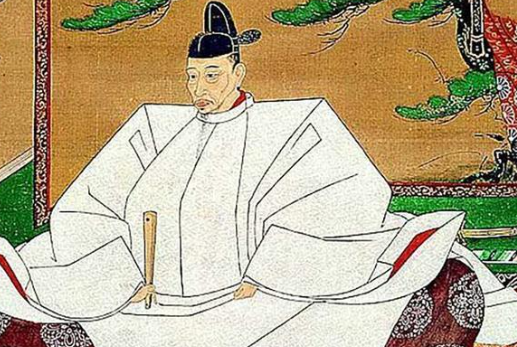
Toyotomi Hideyoshi is a well-known figure in Japanese history. He was born into an ordinary farming family, without noble lineage or prestigious background. But through his intelligence and relentless hard work, he climbed step by step from a humble farmer’s son to the highest seat of power in Japan during the Warring States period, becoming the key figure who unified Japan. Today, let’s talk about the story of this legendary man’s journey to success.
1. Humble Beginnings: Hideyoshi’s Grassroots Origins
Toyotomi Hideyoshi, originally named Kinoshita Tokichiro, was born in 1537 into a very poor family. It’s said that as a child he didn’t even have proper shoes and often ran around barefoot. At that time, Japan was in the chaotic Sengoku period, with constant battles between warlords and harsh living conditions. Young Hideyoshi had no chance for formal education and no family backing. He worked as a farmhand and servant to local samurai, living a tough life.
Yet he had a determined heart and a strong desire to change his fate.
2. Opportunity Knocks: Joining Oda Nobunaga
The clever and quick-witted young Hideyoshi eventually joined the ranks of Oda Nobunaga, one of the most powerful warlords of the time who was gradually unifying Japan. Starting as a lowly messenger, Hideyoshi’s diligence and intelligence soon earned him recognition.
One famous story tells how Hideyoshi “took off his shoes to climb the stairs” — when Nobunaga wanted to test his capability, Hideyoshi removed his shoes and swiftly climbed the stairs, showing his agility and sharp mind. Slowly, Nobunaga trusted him more, assigning him to manage lands, gather supplies, and eventually make him a general.
3. Showing Talent: Military and Political Prowess
Hideyoshi’s military talent soon shone through. Not only brave and smart on the battlefield, he was also skilled in diplomacy and winning people’s hearts. For instance, he preferred harmony, often reconciling foes and making allies instead of relying solely on force.
One of his notable campaigns was conquering the Chugoku region, where he rapidly defeated multiple opponents and unified large territories. His swift moves and flexible tactics made him an indispensable core figure under Nobunaga.
- After Nobunaga’s Death: Hideyoshi’s Rise
In 1582, Nobunaga was betrayed and killed by his retainer Akechi Mitsuhide, plunging Japan into chaos. Hideyoshi acted quickly, retaliating against Mitsuhide soon after the Honnoji Incident and defeating him, gaining huge prestige.
Following this, Hideyoshi gradually took control over Nobunaga’s territories and embarked on the path to unify Japan. Through a series of political marriages and military campaigns, he steadily consolidated power and ultimately unified the Japanese archipelago

5. Toyotomi Hideyoshi’s Rule: From Kinoshita Tokichiro to Taiko
In 1585, Hideyoshi was officially appointed Taiko, an honorific title for retired regents symbolizing supreme political authority. He changed his family name to Toyotomi, meaning “abundant minister,” signifying his role as the nation’s leader.
As Taiko, Hideyoshi focused not only on military unification but also implemented social reforms like land surveys, military organization, and social class restructuring, strengthening central authority and laying the groundwork for the Tokugawa shogunate.
6. Ambition and Vision: The Korean War and Expansion
Even after unifying Japan, Hideyoshi was not content. In 1592, he launched an invasion of Korea, intending to use it as a springboard to conquer Ming China. This war ended in failure and drained resources but demonstrated his strong expansionist ambitions.
The conflict revealed strategic limitations and succession weaknesses, posing major political challenges toward the end of his life.
7. Legendary End: Wisdom and Regret
Hideyoshi passed away in 1598, leaving behind a unified Japan and a vast political legacy. However, with few heirs, his family’s succession faltered, eventually leading to the Toyotomi clan’s downfall before the Tokugawa shogunate rose.
His life was filled with legend — from an unknown commoner to a ruler wielding supreme power, he changed his destiny through wisdom and courage, deeply impacting Japanese history.
Conclusion
Toyotomi Hideyoshi’s story teaches us that origins don’t define destiny — seizing opportunities and leveraging talents are key. The chaos of the Sengoku era gave him a stage to shine, and he proved his abilities through action.
From a farmer’s son to Japan’s Taiko, Hideyoshi was not only a brilliant military commander but also a remarkable politician and reformer. His tale continues to inspire many to bravely chase their dreams and break free from fate’s constraints.
