
In the early 19th century, the independence movements in Latin America were fierce, posing major challenges to colonial empires. Amid this wave of history, José de San Martín emerged as one of South America’s most important military and political leaders. He not only changed the course of wars through brilliant tactics but also laid the foundation for the independence of Argentina, Chile, and Peru through his wisdom and courage. San Martín’s legendary achievements earned him the title “Commander on Horseback,” as he defeated enemies and won historical respect.
I. Rise and Strategic Vision
Born in Argentina in 1778, San Martín moved with his family to Spain during his youth, where he received military training that would later shape his strategic insight. During the Napoleonic Wars, he gained extensive combat experience, particularly excelling in cavalry operations and mountain maneuvers. Upon returning to South America, he realized that relying on direct confrontation alone would not defeat the Spanish colonial forces. He needed a unique strategy that combined geography with military strength.
San Martín’s understanding of warfare extended beyond the battlefield; he approached it from a strategic, big-picture perspective. He proposed a “south-to-north advance” liberation plan: first consolidate Argentina’s independence, then cross the Andes to liberate Chile, and finally move into Peru to dismantle the colonial power center. This strategy demonstrated his far-reaching vision and remarkable insight into complex wartime environments.
II. The Military Feat of Crossing the Andes
In 1817, San Martín led the Army of the Andes in a bold and daring maneuver: crossing the Andes Mountains—a feat still regarded as a classic case in military history. The Andes were treacherous and extremely high, with harsh weather conditions, avalanches, and low oxygen posing serious threats to the troops.
San Martín carefully divided his forces into several columns and chose to march at night and in cold conditions, allowing them to seize the northern Chilean highlands by surprise. He skillfully used terrain advantages to bypass enemy main defenses, achieving strategic surprise.
This operation not only demonstrated his understanding of geography but also showcased his ability to flexibly manage resources under extreme conditions. Maintaining troop morale in such harsh environments relied not only on discipline and training but also on the commander’s ability to inspire and psychologically support his soldiers.
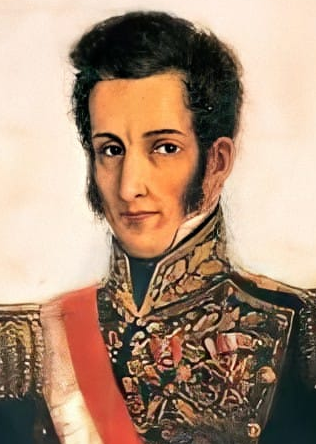
III. Tactical Innovation and Psychological Warfare
San Martín’s military strategy also integrated tactical innovation with psychological warfare. He skillfully exploited enemy weaknesses using feints, flanking maneuvers, and false retreats to trap opposing forces. For example, in the Battle of Chacabuco, he feigned a frontal assault to draw the Spanish main forces, then sent cavalry around the flank to seize critical positions quickly. This tactical flexibility allowed the relatively smaller liberation army to defeat a better-equipped and larger enemy.
Psychological warfare was another of San Martín’s strengths. Known for his mercy toward prisoners, he avoided unnecessary massacres and ensured local civilian support. This approach not only reduced resistance but also boosted the army’s morale, sustaining their combat effectiveness throughout a prolonged campaign. San Martín understood that victory depended not just on force, but also on winning hearts and maintaining troop morale.
IV. Integration of Military and Political Strategy
San Martín was not only a military commander but also an outstanding statesman. He recognized that tactical victories alone could not ensure long-term stability. After conquering Chile, he established a provisional government and mediated local faction conflicts to stabilize the new regime. He then turned his attention to Peru, ultimately securing its independence.
His military and political strategies complemented each other: battlefield victories provided the conditions to achieve political objectives, while political wisdom ensured that the gains endured. This high level of integration enabled San Martín to accomplish large-scale liberation in South America in a relatively short time and set a unique example of combined military and political leadership for future generations.
V. Historical Significance and Symbolism
José de San Martín not only transformed South America’s political landscape but also became a symbol of freedom and wisdom. Famous for his cavalry command, he more importantly embodied the qualities of strategic foresight, tactical flexibility, and human concern that a true commander should possess. San Martín demonstrated that a real military leader wins not only on the battlefield but also in politics, public support, and history.
His crossing of the Andes, the liberation of Chile and Peru, and his policies of mercy and engagement with civilians have become classic cases in military history. Historians and military scholars still study San Martín as an exemplary figure in leadership, strategy, and the integration of tactics and politics.
VI. Conclusion
The life of José de San Martín reads like a legend on horseback—full of wisdom and courage. He conquered the Andes with extraordinary military skill and secured freedom with political acumen. His strategies not only changed the course of wars but also brought national independence and dignity to Latin America. For modern readers and military enthusiasts, his story reminds us that a true leader not only wins battles but also earns historical respect through wisdom and compassion.