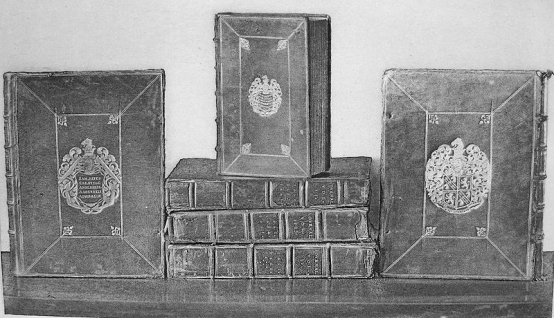
The transition of England from a medieval society to a modern global power was not a single event but a series of interconnected revolutions in how information was shared, how history was recorded, and how wealth was managed. Between the late 15th century and the end of the 17th century, Britain witnessed the birth of the printing industry, the professionalization of the Royal Navy accompanied by unparalleled personal documentation, and the creation of a financial system that would fund an empire. These developments, led by visionary figures and necessity-driven institutions, laid the bedrock for the modern Western world.
The Dawn of English Printing: William Caxton and Anthony Woodville
The introduction of the printing press to England in 1476 marked a definitive end to the monopoly of handwritten manuscripts. This technological leap was spearheaded by William Caxton, a merchant and diplomat who recognized the potential of the press while in Europe. However, the cultural weight of this movement was significantly bolstered by Anthony Woodville, the 2nd Earl Rivers and brother-in-law to King Edward IV. Woodville was not merely a nobleman but a scholar whose literary contributions provided the high-quality content necessary to validate the new technology.
The First Printed Masterpiece
In 1477, Caxton’s press in Westminster produced “The Dictes or Sayengis of the Philosophres,” a translation of a French work by Woodville. This publication is historically significant as the first dated book printed in England. The collaboration between Caxton’s technical expertise and Woodville’s intellectual prestige created a blueprint for the English publishing industry.
- Standardization of Language: The press began the long process of stabilizing English spelling and grammar, moving away from disparate regional dialects.
- Democratization of Knowledge: Books became more affordable and accessible, allowing ideas to spread beyond the clergy and the highest echelons of the nobility.
- Cultural Shift: The transition encouraged a surge in literacy, as the availability of printed materials incentivized the middle class to read and engage with philosophical and religious texts.

Samuel Pepys: The Architect of Modern Naval Administration
Moving into the 17th century, the expansion of British influence required a professionalized military and administrative structure. Samuel Pepys, though best known today for his private diary, was a pivotal figure in the Restoration era as the Chief Secretary to the Admiralty. His work transformed the Royal Navy from a disorganized collection of vessels into a disciplined, bureaucratic institution capable of global reach.
Administrative Reforms and Naval Growth
Pepys implemented rigorous standards for naval officers, including the introduction of examinations for lieutenants—the first of their kind. He recognized that Britain’s security and economic prosperity were inextricably linked to its maritime strength. Under his guidance, the Navy Board became a model of efficiency, focusing on supply chains, shipbuilding quality, and regular pay for sailors.
His administrative legacy includes:
- The Navy List: Creating a formal register of officers to ensure meritocracy and accountability.
- Victualling Standards: Improving the quality of food and supplies provided to the fleet to maintain morale and health during long voyages.
- Financial Oversight: Implementing strict accounting practices to prevent the rampant corruption that had previously drained naval resources.

Eyewitness to History: The Great Plague and the Great Fire of London
While his professional life was dedicated to the state, Samuel Pepys’ diary (1660–1669) provides an unparalleled psychological and social record of one of London’s most turbulent decades. His shorthand accounts offer a raw, unvarnished look at the human experience during the Great Plague of 1665 and the Great Fire of London in 1666.
The Great Plague and the Great Fire
During the Plague, Pepys remained in London while many of the wealthy fled, recording the mounting death tolls and the eerie silence of the city. His accounts of the Great Fire are even more visceral; he describes the “horrid, malicious, bloody flame” and his personal efforts to save his possessions—famously burying his Parmesan cheese and wine to protect them from the heat. These records are not just personal anecdotes; they are primary historical documents that allow modern historians to reconstruct the logistics and emotional landscape of 17th-century crises.

The Financial Revolution: The 1694 Founding of the Bank of England
As Britain’s administrative and cultural foundations solidified, the need for a stable financial engine became critical. The late 17th century was defined by the Nine Years’ War against France. King William III found the traditional methods of raising funds—high taxes and short-term loans from goldsmiths—insufficient to sustain a modern conflict. This necessity birthed the Bank of England in 1694.
The Tonnage Act and the New Credit System
The Bank was established following the Tonnage Act, which authorized a loan of £1.2 million to the government at an 8% interest rate. In exchange, the subscribers were incorporated as the “Governor and Company of the Bank of England.” This was a revolutionary shift in sovereign finance. For the first time, the debt was not the personal responsibility of the monarch but a national debt backed by Parliament and the taxpayers.
| Feature | Pre-1694 Finance | Post-Bank of England Finance |
|---|---|---|
| Source of Credit | Private goldsmiths/monarch’s personal loans | Institutionalized national debt |
| Interest Rates | Extremely high and volatile | Stable and regulated |
| Currency | Primarily metallic coins | Introduction of circulating banknotes |
| Purpose | Short-term survival | Long-term military and infrastructure funding |

Economic Stability and the Birth of the National Debt
The founding of the Bank of England did more than just fund a war; it created the Financial Revolution. By providing a secure place for citizens to deposit money and earn interest, the Bank encouraged the circulation of capital. This system allowed the British government to borrow vast sums of money at lower interest rates than its rivals, particularly France.
The Shift to Paper Currency
The Bank of England was among the first to issue banknotes that were widely accepted. Initially, these were handwritten notes representing a deposit of gold, but they eventually evolved into a standardized currency. This transition facilitated trade and commerce by providing a more portable and divisible medium of exchange than heavy coinage. This financial infrastructure allowed London to eventually overtake Amsterdam as the world’s leading financial center.

The Confluence of Culture, Record, and Capital in Britain
The synergy between these three historical developments—printing, administrative record-keeping, and central banking—cannot be overstated. The printing press provided the means to educate the public and disseminate financial news. Samuel Pepys’ reforms ensured that the wealth managed by the Bank was protected by a professional navy. Together, they created a stable environment where the Industrial Revolution could eventually take root.
Legacy of the Golden Age
This “Golden Age” was not characterized by peace, but by the creation of resilient systems. The ability to document the past (Pepys), communicate ideas (Caxton/Woodville), and leverage the future (Bank of England) transformed Britain into a cohesive state. These institutions and practices remains the core of modern governance and economics today.
Frequently Asked Questions (FAQ)
- Q1: Why was the partnership between William Caxton and Anthony Woodville so important?
- The partnership combined technical innovation with social and intellectual legitimacy. While Caxton provided the printing technology, Woodville provided the scholarly content and royal patronage. This ensured that the first books printed in England were seen as prestigious and culturally significant, rather than just a commercial novelty.
- Q2: How did Samuel Pepys change the Royal Navy?
- Pepys introduced professional standards, including the requirement for officers to pass exams and the creation of a formal “Navy List.” He also overhauled the supply and accounting systems, making the navy more efficient, less corrupt, and better prepared for the global conflicts of the 18th century.
- Q3: What was the primary reason the Bank of England was founded?
- The Bank was founded out of military necessity. King William III needed to raise £1.2 million to fund the war against France. The Bank allowed the government to borrow this money from the public at a fixed interest rate, creating the concept of national debt.
- Q4: How did the printing press affect the English language?
- Before the press, English was a collection of regional dialects with no standardized spelling. Printing required a uniform way of writing to reach a broad audience. Over time, the London-based dialect used by printers like Caxton became the standard for “King’s English.”
- Q5: What makes Pepys’ diary different from other historical records?
- Unlike formal histories or government documents, Pepys’ diary was written in shorthand for his eyes only. This allowed him to be brutally honest about his own flaws, the failings of the government, and the terrifying reality of events like the Great Fire, providing a unique “human” perspective on history.