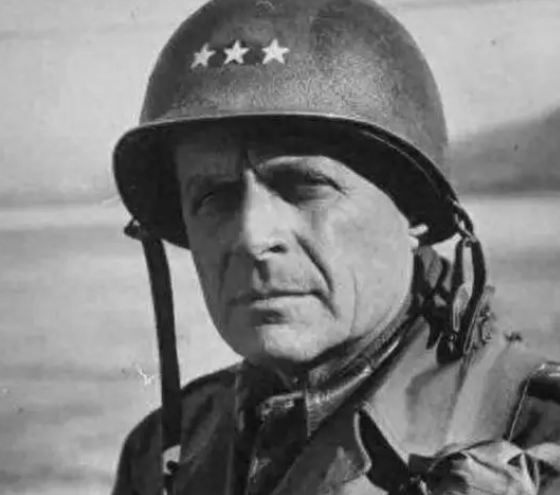
When people talk about the Korean War, one name stands out—General Matthew Ridgway. To many, the war seemed like a grim, static conflict of trenches and stalemates, but Ridgway’s arrival on the scene brought new direction and hope. His story, however, didn’t start in Korea—it began years earlier, on the beaches of Normandy in World War II.
Today, let’s explore how this hard-as-nails general fought his way from the shores of France to the mountains of Korea, and how his intelligence, determination, and human-centered leadership helped change the course of war—and win the respect of soldiers and historians alike.
Normandy Invasion: A Calm Leader in the Firestorm
Born in 1895, Ridgway was already a seasoned soldier by the time World War II broke out—he’d seen action in World War I. During the D-Day landings in 1944, Ridgway played a critical role as a commander of the U.S. airborne forces.
Normandy was the largest amphibious assault of the war, and a turning point for the Allies. Ridgway’s paratroopers dropped behind enemy lines, cutting off German supply routes and sowing chaos among their defenses. His calm, decisive leadership during this high-risk operation was vital to the Allies’ success.
That experience not only sharpened his tactical skills but also earned him the trust and admiration of his troops. On the battlefield, a commander’s courage and judgment are often a soldier’s greatest source of strength.
A New Front Under the Cold War Shadow
After World War II, the world entered a new era—the Cold War. In 1950, North Korea invaded the South, triggering the Korean War. The United Nations sent forces, including a major U.S. presence, to push back the invasion.
But the war quickly bogged down. Early victories gave way to painful retreats and strategic deadlocks. Morale plummeted. In this dire moment, U.S. leadership decided to replace the commander and turned to Ridgway.
It was a tough job, but Ridgway didn’t flinch—he stepped in ready to face the challenge head-on.
Leading with Humanity: Rebuilding Soldier Morale
When Ridgway took command, UN forces were on the defensive and dangerously close to collapse. But he understood something crucial: military strength doesn’t just come from weapons and plans—it comes from people.
He personally visited front-line units, listened to soldiers’ concerns, and worked hard to improve their living conditions and combat readiness.
Ridgway once said, “A demoralized army can’t win a war.”
His “fatherly” concern restored confidence among the ranks, and his presence inspired troops to keep fighting—not just because they had to, but because they believed in their leader.
Flexible and Tactical: From Defense to Counterattack
Upon taking command, Ridgway immediately shifted tactics. Rather than launching risky large-scale offensives, he opted for mobility, precision, and smart positioning.
He focused firepower on weak points in enemy lines, invested heavily in logistics and intelligence, and avoided wasting resources on unnecessary frontal assaults.
His preference for small, frequent engagements over single “decisive” battles helped wear down the enemy gradually.
In early 1951, under his leadership, UN forces launched a series of successful counterattacks that reclaimed lost territory and reestablished stable lines. This not only changed the momentum of the war but also reignited hope across the front.
A Tough Leader with Humility and Vision
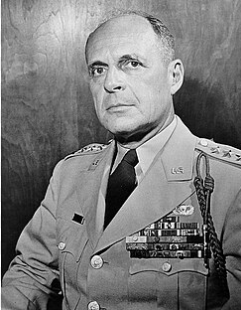
Ridgway was a strict and demanding general—but he was also deeply humble. He didn’t rely on bravado or slogans. He made decisions based on data, valued expert opinions, and encouraged collaboration.
His inclusive leadership style enabled smooth coordination among the multinational UN forces, drawing strength from diversity rather than letting it become a liability.
While others might let power go to their heads, Ridgway remained grounded—focused always on results and the welfare of his troops.
Postwar Legacy and Historical Impact
After the war, Ridgway continued to serve at the highest levels, eventually becoming Supreme Allied Commander in Europe for NATO. His operational thinking and leadership style had a lasting influence on the U.S. military.
Historians widely agree: Ridgway’s role in the Korean War was pivotal. He wasn’t just a general—he was a stabilizer and a strategist in one of the Cold War’s most volatile conflicts.
Conclusion: Wisdom and Grit Forged a Legend
From the intense firefight of Normandy to the bitter winters of Korea, Matthew Ridgway used brains, courage, and a deep concern for his men to turn battles around and alter the course of history.
He showed us that a great general doesn’t just fight well—they inspire, adapt, and lead with vision.
That’s what made Ridgway a legend—not just for his victories, but for the way he earned them.
