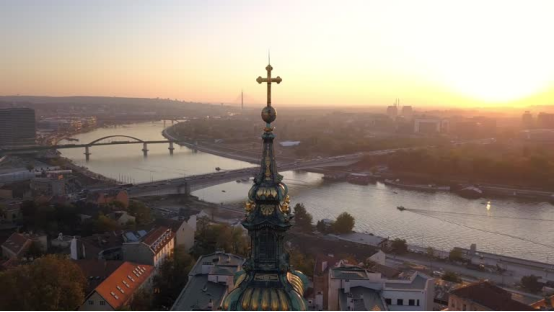
A Tapestry of European Landscapes and Cultures
Europe stands as a continent defined by its profound geographical and cultural diversity, where centuries of history have sculpted nations with distinct identities, economies, and societal structures. Within this intricate web, countries like Serbia and Switzerland offer compelling case studies in contrast and convergence. While geographically distinct and historically divergent, both nations contribute uniquely to the European narrative, embodying resilience, innovation, and a deep connection to their natural environments. This pillar page embarks on an in-depth exploration of these two fascinating countries, dissecting their core characteristics and highlighting the forces that have shaped them into the nations they are today.
Understanding European Geographical Divides
The continent’s geography plays a pivotal role in shaping national identities and developmental paths. From the vast plains of Eastern Europe to the rugged peaks of the Alps, the physical landscape dictates resource availability, trade routes, and even cultural diffusion. Serbia, situated at the crossroads of Central and Southeast Europe, embodies a transitional geography that blends the fertile Pannonian Plain with the ancient Balkan mountain ranges. In stark contrast, Switzerland is almost entirely defined by its majestic Alpine terrain, a formidable natural barrier that has historically fostered neutrality and strategic independence while simultaneously demanding innovative solutions for economic development and connectivity.

Serbia: A Balkan Crossroads of Mountains, Plains, and History
Serbia, a nation steeped in history and vibrant cultural traditions, represents a quintessential Balkan heartland where diverse geographical features converge. Its strategic location has made it a historical crossroads, influencing its rich heritage and complex identity. From the fertile agricultural expanses of the north to the rugged, mineral-rich mountains of the south, Serbia’s landscape is as varied as its past, offering a unique blend of natural beauty and historical depth that continues to evolve on the European stage.
Geographical Landscape and Natural Beauty
Serbia’s geography is characterized by a striking duality. The northern region is dominated by the southern part of the Pannonian Plain, a vast and fertile area watered by major rivers such as the Danube, Sava, and Tisa. This lowland region, particularly Vojvodina, is the agricultural breadbasket of the country, known for its extensive fields of wheat, corn, and sunflowers. Moving south, the terrain dramatically shifts into a mountainous landscape, part of the Dinaric Alps and Balkan Mountains systems. Peaks like Kopaonik and Stara Planina offer breathtaking scenery, rich biodiversity, and significant potential for winter sports and eco-tourism. These mountains are also sources of various mineral resources, contributing to Serbia’s industrial profile.
- The Danube River: A vital artery for trade, transport, and cultural exchange, flowing through Belgrade and defining much of Serbia’s northern border.
- Agricultural Heartland: The plains of Vojvodina support extensive farming, contributing significantly to the national economy and food supply.
- Mountainous Regions: Home to national parks, pristine forests, and a diverse array of flora and fauna, offering opportunities for hiking, skiing, and nature exploration.
Historical and Cultural Heritage
Serbia’s history is a tapestry woven from threads of Roman, Byzantine, Ottoman, and Austro-Hungarian empires, each leaving an indelible mark on its culture, architecture, and spiritual life. The country is a stronghold of Orthodox Christianity, evidenced by numerous medieval monasteries such as Studenica and Žiča, which are UNESCO World Heritage Sites and centers of Serbian spiritual and artistic expression. Belgrade, the capital, is one of Europe’s oldest cities, a bustling metropolis where ancient fortresses stand alongside modern architecture, reflecting centuries of conflict and resilience. Serbian culture is also rich in folk traditions, music, dance, and a renowned hospitality that welcomes visitors from across the globe.
- Medieval Monasteries: Architectural and spiritual masterpieces that preserve Byzantine art and Serbian history.
- Belgrade Fortress (Kalemegdan): A symbol of the city’s endurance, offering panoramic views of the Sava and Danube rivers confluence.
- Gastronomy: A delightful fusion of Balkan, Mediterranean, and Central European influences, featuring dishes like ćevapi, sarma, and kajmak.
Economic Overview and Development
Serbia’s economy is in a period of transition and growth, moving towards a market-oriented system. Agriculture remains a significant sector, particularly in the fertile plains, while industry focuses on manufacturing, mining, and energy. In recent years, the country has seen a notable rise in the IT sector, with Belgrade emerging as a regional tech hub, attracting foreign investment and nurturing local startups. Tourism is also gaining momentum, leveraging Serbia’s natural beauty, historical sites, and vibrant city life. As a candidate country for European Union membership, Serbia is actively implementing reforms aimed at improving its business environment, infrastructure, and overall economic competitiveness.
- Key Industries: Automotive components, machinery, food processing, and pharmaceuticals are prominent manufacturing sectors.
- Foreign Direct Investment (FDI): Serbia has become an attractive destination for FDI, particularly from European and Asian investors, boosting job creation and economic diversification.
- Infrastructure Development: Significant investments are being made in road, rail, and energy infrastructure to enhance connectivity and support economic expansion.

Switzerland: An Alpine Beacon of Industry, Innovation, and Diversity
Switzerland, nestled in the heart of the Alps, is globally recognized as an industrial miracle and a melting pot of diverse cultures. Despite its landlocked status and challenging mountainous terrain, it has forged an identity synonymous with precision, innovation, stability, and unparalleled quality of life. This nation exemplifies how strategic foresight, a commitment to education, and a unique political system can transform geographical constraints into economic advantages, creating a prosperous and harmonious society.
Geographical Marvels and Alpine Influence
The geography of Switzerland is overwhelmingly dominated by the Alps, which cover approximately 60% of its total area. These majestic mountains are not merely scenic backdrops but have profoundly influenced the country’s development, providing natural defenses, hydroelectric power, and a world-renowned tourism industry. The Swiss Plateau, a less mountainous region between the Alps and the Jura Mountains, is the most densely populated area, home to major cities like Zurich, Geneva, and Bern, and serving as the country’s economic heartland. Numerous pristine lakes and rivers, fed by glacial meltwaters, dot the landscape, contributing to Switzerland’s reputation for clean water and natural beauty.
- The Swiss Alps: A major source of tourism, providing opportunities for skiing, hiking, and mountaineering, and a critical component of the country’s hydroelectric power generation.
- Rhine and Rhône Rivers: Originating in the Swiss Alps, these vital European waterways connect Switzerland to the North Sea and the Mediterranean, respectively.
- Lakes Geneva and Zurich: Iconic bodies of water that are centers for recreation, trade, and urban development, reflecting Switzerland’s commitment to environmental preservation.
Economic Prowess and Innovation
Switzerland boasts one of the world’s most stable and prosperous economies, characterized by high-tech industries, a robust financial sector, and a strong emphasis on research and development. Its economic success is built on a foundation of highly skilled labor, political stability, and a competitive business environment. Key sectors include banking and finance, precision manufacturing (watches, machinery), pharmaceuticals, chemicals, and specialized engineering. Swiss companies are global leaders in innovation, consistently investing in R&D and securing numerous patents. This relentless pursuit of excellence ensures its continued relevance and competitiveness on the global stage.
- Financial Hub: Zurich and Geneva are global centers for banking, wealth management, and insurance, known for their stability and discretion.
- Precision Engineering: Switzerland is synonymous with high-quality watches, advanced machinery, and precision instruments, a testament to its engineering expertise.
- Pharmaceuticals and Biotech: Basel is a world leader in the pharmaceutical and life sciences industries, hosting major global companies and research institutions.
Multiculturalism and Linguistic Diversity
Switzerland is a prime example of a successful multicultural and multilingual nation. It has four official languages: German, French, Italian, and Romansh, reflecting its historical and geographical connections to neighboring countries. This linguistic diversity is not merely tolerated but celebrated, integrated into its political system (direct democracy) and educational structure. The country’s strong federalist tradition empowers local cantons, allowing them to maintain distinct cultural identities while contributing to a cohesive national fabric. This unique blend of regional autonomy and national unity fosters a rich cultural landscape.
- Four Official Languages: German (62.6%), French (22.9%), Italian (8.2%), and Romansh (0.5%), reflecting diverse cultural influences.
- Direct Democracy: Citizens have significant power through referendums and initiatives, fostering strong civic engagement and consensus-building.
- Federal System: Cantons retain considerable autonomy, leading to a rich variety of local customs, traditions, and administrative practices.

Contrasting European Narratives: Serbia vs. Switzerland
When examining Serbia and Switzerland, one finds two European nations that, despite their shared continent, offer starkly contrasting narratives in terms of historical trajectory, economic development, and international positioning. These differences are not merely superficial but are deeply rooted in their geographical realities, political choices, and cultural evolution. Understanding these contrasts provides a richer appreciation of Europe’s inherent diversity and the myriad paths nations take to achieve prosperity and stability.
Economic Trajectories and Global Integration
Switzerland’s economic narrative is one of consistent prosperity, built on centuries of neutrality, strategic innovation, and a focus on high-value sectors. Its highly developed economy is deeply integrated into global financial and industrial markets, yet it maintains a unique position outside the European Union, leveraging its bilateral agreements and strong international partnerships. Serbia, on the other hand, is a developing economy that has undergone significant geopolitical and economic transformations in recent decades. Emerging from a complex post-conflict period, it is actively pursuing economic reforms and closer integration with the EU, aiming to modernize its infrastructure, diversify its industries, and attract greater foreign investment. The disparities in GDP per capita, industrial maturity, and global market specialization highlight their differing stages of economic evolution.
- Swiss Economic Model: Characterized by high wages, low unemployment, a strong export orientation in specialized goods, and a robust service sector, particularly finance.
- Serbian Economic Challenges: Includes transitioning from a state-controlled economy, addressing regional disparities, and building competitive advantages in new sectors beyond traditional agriculture and manufacturing.
- EU Relations: Switzerland maintains a complex web of bilateral treaties with the EU, while Serbia is a candidate country, actively aligning its legislation and economy with EU standards.
Cultural Identity and Political Systems
The cultural and political landscapes of Serbia and Switzerland also present fascinating divergences. Serbia’s cultural identity is profoundly shaped by its Slavic and Orthodox Christian heritage, intertwined with influences from its Ottoman and Austro-Hungarian past. Its political system is a parliamentary republic, working towards strengthening democratic institutions and rule of law. Switzerland, in contrast, is defined by its multilingualism, strong federalism, and a unique system of direct democracy, where citizen participation is deeply embedded in governance. Its long-standing neutrality has fostered a distinct national identity focused on internal cohesion and international humanitarian efforts, rather than geopolitical alliances. These fundamental differences in national character and governance models illustrate the vast spectrum of European nationhood.
- Serbian Cultural Pillars: Strong family values, traditional hospitality, a rich literary and artistic tradition, and a deep connection to historical memory.
- Swiss Political Stability: Achieved through consensus-based decision-making, direct democratic instruments, and a robust federal structure that balances regional and national interests.
- International Stance: Serbia navigates a complex foreign policy, balancing aspirations for EU integration with historical ties to other global powers, while Switzerland’s neutrality is a cornerstone of its foreign policy and national identity.

Conclusion: The Enduring Allure of European Nations
The journey through Serbia’s heartland and Switzerland’s Alpine innovation reveals the profound and enduring allure of European nations. Each country, shaped by its unique geographical contours, historical currents, and cultural expressions, contributes an indispensable thread to the continent’s rich tapestry. Serbia, with its blend of fertile plains and majestic mountains, its deep historical roots, and its evolving economy, represents a dynamic crossroads of East and West. Switzerland, an industrial powerhouse nestled amidst breathtaking Alpine scenery, stands as a testament to precision, stability, and successful multicultural coexistence. Together, these two nations underscore the immense diversity that defines Europe, offering invaluable insights into different models of development, governance, and societal harmony. Their individual stories, while distinct, collectively paint a picture of a continent constantly evolving, yet deeply rooted in its heritage, promising continued fascination for global observers and travelers alike.
Frequently Asked Questions (FAQ)
- Q1: What are the primary geographical features that define Serbia?
- Serbia is characterized by a significant contrast between its northern and southern regions. The north features the fertile Pannonian Plain, part of the Great Hungarian Plain, traversed by major rivers like the Danube, Sava, and Tisa, making it an agricultural hub. The central and southern parts are predominantly mountainous, belonging to the Dinaric Alps and Balkan Mountains systems, with peaks such as Kopaonik and Stara Planina offering rich natural resources and biodiversity.
- Q2: How does Switzerland’s mountainous terrain influence its economy and culture?
- Switzerland’s Alpine terrain significantly influences both its economy and culture. Economically, the mountains provide ample hydroelectric power, a major source of energy, and are the foundation of its world-renowned tourism industry (skiing, hiking). Culturally, the challenging landscape historically fostered a sense of independence and neutrality, contributing to its unique federalist system and emphasis on precision and innovation in industries like watchmaking and engineering, as adapting to such an environment requires meticulous planning and execution.
- Q3: What are the key differences in the economic development strategies of Serbia and Switzerland?
- Switzerland’s economic strategy focuses on high-value, specialized sectors like finance, pharmaceuticals, precision engineering, and high-tech manufacturing, driven by extensive R&D and a highly skilled workforce. It maintains global competitiveness through innovation and stability. Serbia, as a transitioning economy, is focused on modernizing its infrastructure, diversifying its industrial base beyond traditional agriculture and manufacturing, attracting foreign direct investment, and aligning its economic policies with EU standards to foster growth and integration into the European market.
- Q4: How does linguistic diversity manifest in Swiss culture and politics?
- Linguistic diversity is a cornerstone of Swiss identity, with four official languages: German, French, Italian, and Romansh. This is deeply embedded in its culture through regional traditions, media, and education. Politically, the federal system empowers cantons to manage their linguistic and cultural affairs, ensuring representation for all language groups. Direct democracy, with referendums often published in multiple languages, further reinforces the inclusive nature of its governance, promoting a shared national identity despite linguistic differences.
- Q5: What role does history play in shaping the modern identity of Serbia?
- History plays a profound role in shaping Serbia’s modern identity. Its position as a historical crossroads has resulted in a rich tapestry of influences from Roman, Byzantine, Ottoman, and Austro-Hungarian empires. This complex past has forged a resilient national character, deeply connected to its Orthodox Christian heritage, medieval monasteries, and a strong sense of national pride. Contemporary Serbia navigates this historical legacy while striving for European integration, balancing traditional values with modern aspirations.
