
When it comes to towering figures in the U.S. military, James Mattis is a name that commands instant respect. Often nicknamed the “Warrior Monk” or even the “God of War,” his leadership style is far from just a tough-guy persona. Instead, he earned admiration through action, and influenced the military with intellect and integrity.
Today, let’s take a closer look at this legendary “general’s general” — and uncover the authentic and compelling side of James Mattis.
From “Young Jim” to “God of War”: A Military Legend
Born in 1950, Mattis joined the U.S. Marine Corps in the 1970s. Thanks to his military talent and leadership, he steadily rose through the ranks to become a four-star general. He commanded key operations in the Iraq and Afghanistan wars, earning a reputation for battlefield excellence.
But unlike some officers who enjoy grandstanding or making bold claims, Mattis was always about results.
He focused on getting things done, paid attention to detail, and treated every Marine with respect — a grounded approach that earned him trust across the chain of command.
“No Sugarcoating, Just Straight Talk”
Mattis is known for being blunt and honest — never one to dance around problems or say things just to sound good.
In public statements and private briefings alike, he called things as he saw them, never downplaying the brutality of war or the difficulties the military faced.
His candor wasn’t abrasive, but deeply sincere. That’s why the troops under his command trusted him implicitly — they knew he meant what he said, and that he stood with them.
The Reading General: Knowledge Shapes the Battlefield
One of Mattis’s most distinctive traits is that he’s a voracious reader — even in combat zones, he found time to read. His reading list spanned history, philosophy, literature, and religious texts.
He believed war is not just about force, but also about psychology and culture. Understanding your enemy, and learning from the past, is how you make better strategic decisions.
This intellectual depth led many to call him “the thinking general.” His military strategies were shaped by insight and long-range vision, not just orders and weapons.
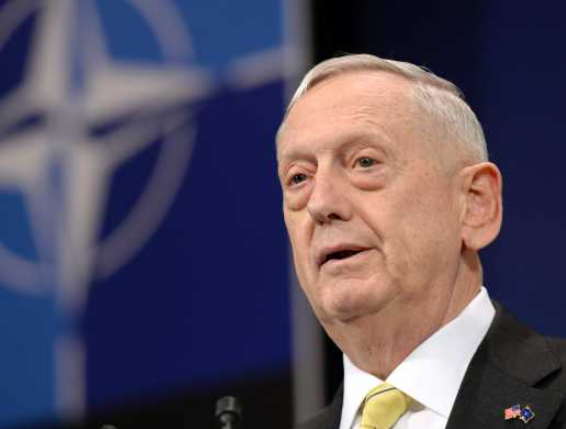
More Than a Soldier — A True Leader
In 2017, Mattis stepped out of uniform and into politics, becoming U.S. Secretary of Defense under President Donald Trump. It was a new battlefield, full of political pitfalls, but Mattis stayed true to his principles.
He often said, “Leadership is not just about giving orders — it’s about earning trust and respect.”
At the Pentagon, he pushed for military modernization, supported service members’ welfare, and maintained a firm but thoughtful stance on international affairs.
A Quiet Exit, a Lasting Legacy
In 2018, Mattis abruptly resigned from his position as Secretary of Defense, surprising many. But in classic Mattis fashion, he left quietly and with dignity.
He once remarked, “Sometimes, the best form of leadership is knowing when to step aside and let the next generation carry the torch.”
His departure didn’t diminish his stature — if anything, it increased the respect people had for him. He left not with fanfare, but with honor — a leader who let actions speak louder than words.
Conclusion: The True Warmth Behind the Steel
If your image of a general is someone cold, distant, and intimidating, then James Mattis will change that view completely.
He was a man who led troops under fire with unwavering focus — but also found time to quietly reflect with a book in hand.
He demanded excellence and discipline — but also cared deeply for the well-being of his soldiers.
He was a master of war — but also a beacon of wisdom, humility, and humanity.
This is James Mattis — a leader who is real, complex, and deeply worthy of respect. A man who truly spoke through action.
