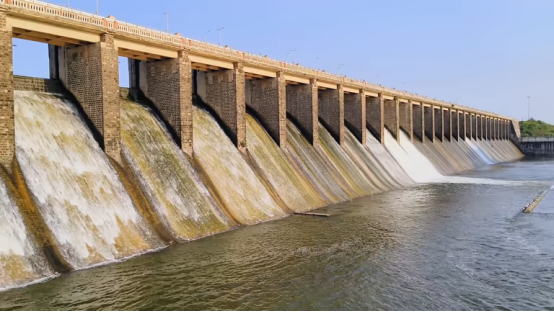
The Ganges River, often referred to as “Mother Ganga,” is more than just a body of water; it is the spiritual heartbeat of India and a vital economic artery for the South Asian subcontinent. Stretching over 2,500 kilometers from the Himalayas to the Bay of Bengal, it provides water for drinking, agriculture, and industry to nearly 40% of India’s population. However, this sacred river is currently facing an unprecedented existential threat. The convergence of rapid urbanization, industrial mismanagement, and a complex web of religious practices has transformed parts of the river into some of the most polluted waterways on Earth. This article provides a comprehensive examination of the systemic failures, ecological challenges, and the intricate socio-political landscape surrounding the governance of the Ganges.
The Spiritual and Ecological Significance of the Ganges
To understand the crisis, one must first grasp the dual identity of the Ganges. For millions of Hindus, the river is a goddess whose waters possess the power to wash away sins and liberate the soul from the cycle of rebirth. This spiritual conviction draws millions of pilgrims to cities like Varanasi, Haridwar, and Rishikesh for ritual bathing and funerary rites. The river’s basin is also one of the most fertile regions in the world, supporting a massive agricultural sector that is essential for India’s food security.
The Paradox of Purity
The paradox lies in the belief that the Ganges is “spiritually pure” even if it is “physically dirty.” This cultural mindset often complicates environmental efforts, as many devotees find it difficult to reconcile the idea of a divine entity being susceptible to human pollution. Consequently, the river becomes a repository for everything from ritual offerings (puja materials) to the ashes of the deceased, and in some cases, partially cremated bodies. These practices, while deeply meaningful, contribute significantly to the organic load and bacterial levels in the water.
Biodiversity Under Threat
Beyond its human utility, the Ganges is home to unique and endangered species, including the Ganges River Dolphin (Susu) and various species of endemic turtles and fish. The degradation of water quality and the fragmentation of the river by dams and barrages have led to a sharp decline in these populations. The loss of biodiversity is a signaling factor for the overall health of the ecosystem, suggesting that the river’s self-purifying capacity—long touted in local lore—is being overwhelmed by the sheer volume of modern pollutants.

The Multi-Layered Causes of the Ganges Pollution Crisis
The pollution of the Ganges is not the result of a single factor but rather a “perfect storm” of various waste streams. These can be broadly categorized into domestic sewage, industrial effluents, and non-point source agricultural runoff.
The Dominance of Untreated Sewage
Statistically, domestic sewage accounts for approximately 70% to 80% of the total pollution load in the Ganges. As cities along the riverbanks have expanded at an exponential rate, their infrastructure has failed to keep pace. Many urban centers lack comprehensive sewerage networks, resulting in the direct discharge of raw human waste into the river. Even where Sewage Treatment Plants (STPs) exist, they often operate below capacity due to power shortages, lack of maintenance, or a lack of connectivity to the main sewer lines.
Industrial Contamination and Toxic Heavy Metals
While industrial waste accounts for a smaller volume (about 20%), its toxicity is far more damaging. The stretch of the river near Kanpur is notorious for its leather tanneries, which discharge high levels of chromium, lead, and other heavy metals. These toxins enter the food chain through irrigation and fish consumption, leading to severe health issues for the local population, including skin diseases, respiratory problems, and cancers. Other polluting industries include pulp and paper mills, sugar refineries, and chemical plants, many of which bypass environmental regulations to save costs.

The Evolution of Ganges Governance: From GAP I to Namami Gange
The Indian government has recognized the need for intervention for decades, launching several high-profile projects. However, the history of these projects is largely a narrative of high ambitions met with bureaucratic inertia and technical failures.
The Ganga Action Plan (GAP) Eras
Launched in 1985 by then-Prime Minister Rajiv Gandhi, the Ganga Action Plan (GAP I) was the first major attempt to clean the river. It focused primarily on the diversion and treatment of domestic sewage. While it succeeded in building several STPs, it was widely criticized for failing to account for the river’s flow dynamics and the rapid growth of the population. GAP II was launched in 1993 to expand the scope to tributaries like the Yamuna, but it suffered from similar structural flaws and a lack of public participation.
The Namami Gange Program
In 2014, the current administration launched the Namami Gange (Obeisance to the Ganges) program with a massive budget of over 20,000 crore rupees (approx. $3 billion). This “Integrated Conservation Mission” aimed to tackle pollution through:
- Sewerage Infrastructure: Building and rehabilitating STPs using a “Hybrid Annuity Model” to ensure long-term maintenance.
- River-Front Development: Constructing ghats and crematoria to manage religious activities more hygienically.
- Afforestation: Planting trees along the banks to prevent soil erosion and improve water retention.
- Industrial Monitoring: Installing real-time water quality monitoring stations to catch violators.
Despite these efforts, reports from the Central Pollution Control Board (CPCB) continue to show that fecal coliform levels in many stretches remain hundreds of times higher than the permissible limit for bathing.

Institutional Barriers and the Dilemma of Water Conservancy
The failure to effectively manage the Ganges is deeply rooted in institutional and structural dilemmas. These range from fragmented governance to the engineering challenges of traditional water conservancy.
The Fragmentation of Responsibility
One of the primary hurdles is the “siloed” nature of Indian bureaucracy. Responsibility for the Ganges is split between multiple ministries (Water Resources, Environment, Urban Development) and various state governments (Uttarakhand, Uttar Pradesh, Bihar, West Bengal). This leads to a lack of coordination, where upstream states may implement policies that negatively impact downstream regions, and central funds are often tied up in state-level red tape.
The Conflict of Dams and Flow
India’s energy needs have led to the construction of numerous hydroelectric dams in the upper reaches of the Ganges. While these provide “green” energy, they severely restrict the river’s natural flow (Aviral Dhara). A river with low flow loses its ability to dilute pollutants and transport sediment. Environmentalists argue that without maintaining a minimum “environmental flow,” no amount of sewage treatment will be enough to restore the river’s health. This creates a direct conflict between the nation’s developmental goals and its environmental obligations.

The Intersection of Faith, Tradition, and Modern Environmentalism
Solving the Ganges crisis requires more than just engineering; it requires a cultural shift. The intersection of faith and environmentalism offers both a challenge and a unique opportunity for sustainable governance.
Engaging Religious Leaders
In recent years, there has been a growing movement to involve “Green Gurus” and religious leaders in the cleanup mission. By framing environmental protection as a religious duty (Dharma), these leaders can influence the behavior of millions of devotees. Initiatives like “Eco-friendly Immersion” of idols and the use of electric crematoria are slowly gaining traction, though they often face resistance from traditionalists who view any change to ritual as a violation of sanctity.
Public Participation and Civic Awareness
The success of river governance ultimately depends on the people living along its banks. Current programs are often top-down, with little involvement from local communities. Strengthening the “Ganga Praharis” (Ganges Guardians)—a volunteer force of local citizens—is a step toward decentralized monitoring. Education campaigns focusing on the health risks of polluted water are essential to break the cycle of apathy and empower citizens to hold local authorities accountable for waste management failures.

Future Outlook and Sustainable Solutions for the Holy River
The path forward for the Ganges requires a holistic strategy that transcends short-term political cycles. A sustainable future for the river must integrate advanced technology with traditional wisdom and robust legal enforcement.
Technological Innovations
Implementing decentralized wastewater treatment systems in smaller towns can reduce the burden on large-scale STPs. Furthermore, using satellite imagery and AI to track illegal industrial discharges in real-time can provide the data needed for strict legal action. The reuse of treated wastewater for agriculture and industrial cooling is another critical strategy to reduce the freshwater abstraction from the river.
Legal Rights for the River
In a landmark 2017 ruling, the High Court of Uttarakhand declared the Ganges and Yamuna rivers as “living entities” with the same legal rights as human beings. While this was later stayed by the Supreme Court, the concept of “Rights of Nature” provides a powerful legal framework for future litigation against polluters. If the river is viewed as a legal person, damage to its ecosystem can be prosecuted as a violation of fundamental rights.
| Governance Phase | Key Focus | Primary Outcome/Status |
|---|---|---|
| GAP I (1985) | Interception & Diversion of sewage | Built 25 STPs; largely considered a failure due to poor maintenance. |
| GAP II (1993) | Expansion to tributaries | Fragmented implementation; failed to keep up with urban growth. |
| Namami Gange (2014) | Integrated conservation & public participation | Ongoing; high budget; mixed results in water quality improvement. |
| Future Strategy | Circular economy & Rights of Nature | Proposed focus on water reuse and legal personhood for the river. |
Frequently Asked Questions (FAQ)
- Q1: Why has the Ganges cleanup failed despite billions of dollars in investment?
- The failure is attributed to several factors: rapid population growth outstripping infrastructure, lack of coordination between state and central governments, corruption in construction contracts, and the technical failure of sewage treatment plants which often lack consistent electricity or proper maintenance.
- Q2: Is the water of the Ganges safe for bathing or drinking?
- According to the Central Pollution Control Board, most stretches of the Ganges are unfit for drinking without intensive treatment. Even for bathing, fecal coliform levels in many areas (like Varanasi and Kanpur) far exceed the safe limits, posing risks of waterborne diseases.
- Q3: How do religious practices contribute to pollution?
- Religious practices contribute through the immersion of non-biodegradable idols painted with toxic dyes, the disposal of ritual offerings in plastic bags, and the traditional practice of scattering human ashes or releasing unburnt bodies into the river, which increases the organic pollutant load.
- Q4: What role do dams play in the river’s health?
- Dams and barrages divert water for irrigation and hydroelectric power, significantly reducing the river’s natural flow. This reduction in “environmental flow” prevents the river from self-cleansing, leading to the accumulation of toxins and the destruction of aquatic habitats.
- Q5: Can the Ganges ever be fully restored?
- Restoration is possible but requires a multi-generational commitment. It necessitates 100% sewage treatment, strict “zero liquid discharge” policies for industries, the restoration of natural wetlands, and a fundamental shift in how the public and the government value the river’s ecological health over short-term economic gain.