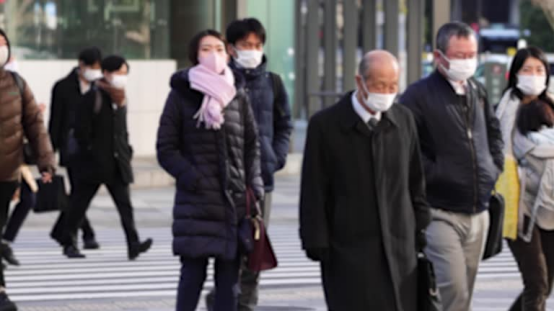
Japan’s Demographic Crisis: An Overview of Aging and Declining Birth Rates
Japan is widely recognized as the world’s oldest nation, a demographic reality that presents unparalleled challenges across its economic, social, and cultural landscapes. The confluence of a rapidly aging population and persistently low birth rates has created a “demographic crossroads,” compelling the nation to innovate and adapt. This section provides a foundational understanding of the scale and nature of Japan’s demographic shift, setting the stage for a deeper exploration of its consequences and potential solutions.
The Silent Tsunami: Understanding Japan’s Aging Population
The phenomenon of an aging population in Japan is not a recent development but the culmination of decades of increased life expectancy and declining fertility. With more than 28% of its population aged 65 or older, and projections indicating this figure could exceed 35% by 2040, Japan faces a unique societal structure. This demographic shift is rooted in several interconnected factors:
- Post-War Baby Boom and Longevity: Following World War II, Japan experienced a significant baby boom, contributing to a large cohort that is now entering old age. Concurrently, advancements in healthcare, nutrition, and public health initiatives have resulted in one of the world’s highest life expectancies, with the average Japanese person living beyond 84 years. This success in longevity, while a testament to societal progress, creates a top-heavy age structure.
- Declining Fertility Rates: For several decades, Japan’s total fertility rate has remained significantly below the replacement level of 2.1 children per woman. In recent years, it has hovered around 1.3, meaning each succeeding generation is substantially smaller than the last. This sustained low birth rate directly contributes to the shrinking proportion of younger individuals in the population.
- Societal and Economic Drivers: The choices of individuals to have fewer children are often influenced by economic pressures, such as the high cost of raising children, long working hours for both parents, and a cultural emphasis on intensive parenting. Additionally, evolving gender roles and increased educational and career opportunities for women have led to later marriages and fewer children.
The implications of this “silent tsunami” are far-reaching, transforming the very fabric of Japanese society, from consumer markets and labor dynamics to healthcare demands and urban planning.
The Vanishing Generation: Causes and Consequences of Low Birth Rates
Japan’s low birth rate is a complex issue stemming from a multitude of socio-economic and cultural factors, resulting in a “vanishing generation” that threatens the nation’s future vitality. Understanding these root causes is crucial for formulating effective policy interventions.
- Economic Uncertainty and Financial Burden: Many young Japanese adults face economic precarity, including unstable employment, stagnant wages, and rising living costs. The financial burden of raising children, coupled with the high cost of education, often deters couples from having larger families or even starting one.
- Work-Life Imbalance and Career Aspirations: Japan’s demanding work culture, characterized by long hours and limited parental leave utilization (especially for fathers), makes it challenging for individuals, particularly women, to balance career aspirations with family responsibilities. Many women feel compelled to choose between their professional lives and having children.
- Changing Social Norms and Relationship Trends: There’s a noticeable shift in social norms, with increasing numbers of young people prioritizing personal freedom, hobbies, and individual pursuits over marriage and child-rearing. Concepts like “herbivore men” (soshoku danshi) reflect a broader disinterest in romantic relationships and traditional family structures.
- Inadequate Childcare and Social Support: Despite government efforts, access to affordable and high-quality childcare remains a significant hurdle in many areas. The perceived lack of robust social support systems for working parents contributes to the hesitation to have children.
The consequences of these low birth rates are severe and compound the challenges posed by an aging population. They include a shrinking pool of future workers, reduced consumer demand, and a diminishing tax base, all of which threaten long-term economic stability and innovation capacity.

The Economic Fallout: Shrinking Workforce, Strained Systems, and Global Pressures
The demographic shifts in Japan have profound and multifaceted economic consequences, impacting everything from labor productivity and social welfare systems to industrial competitiveness. The shrinking and aging workforce, coupled with external economic pressures, creates a complex environment for sustained growth and prosperity.
Labor Market Contraction and Productivity Challenges
One of the most immediate and significant economic impacts of Japan’s demographic crisis is the contraction and aging of its labor force. As the working-age population declines, industries face increasing difficulties in finding sufficient personnel, leading to a host of challenges:
- Shrinking Workforce Size: Japan’s labor force has been steadily declining for years, directly impacting the productive capacity of the economy. This shortage is particularly acute in sectors like healthcare, construction, and manufacturing.
- Innovation Capacity and Entrepreneurship: A younger, dynamic workforce is often a driver of innovation and entrepreneurship. With a dwindling youth population, there’s concern about the long-term capacity for groundbreaking research, development, and the creation of new businesses, which are crucial for economic dynamism.
- “Weak Youth” and Employment Challenges: Paradoxically, despite overall labor shortages, a segment of Japan’s youth faces its own set of challenges, often referred to as “weak youth.” This can include difficulties in securing stable, well-paying jobs, leading to underemployment or reliance on part-time work. Factors contributing to this include a mismatch between skills and industry demands, and a highly competitive job market for specific roles, despite broader labor scarcity.
- Need for Automation and Immigration: To mitigate the impact of labor shortages, Japan is increasingly investing in automation, robotics, and artificial intelligence across various industries. While crucial, this alone may not be sufficient. The debate around increasing skilled immigration, though culturally sensitive, is gaining traction as a potential long-term solution to replenish the workforce.
Addressing these labor market challenges requires a multi-pronged approach that includes maximizing the potential of existing workers, fostering innovation, and thoughtfully considering future immigration policies.
Strain on Social Security and Public Finance
The demographic imbalance places immense strain on Japan’s social security system and public finances. A smaller working-age population is tasked with supporting a larger, longer-living elderly population, creating a significant fiscal burden.
- Pension System Pressure: Japan operates a pay-as-you-go pension system, where contributions from current workers fund the pensions of retirees. As the ratio of retirees to workers increases, the system faces immense pressure, necessitating reforms such as raising the retirement age, increasing contributions, or reducing benefits.
- Healthcare and Long-Term Care Costs: An aging population inherently leads to higher demand for healthcare services and long-term care. Chronic diseases and age-related conditions significantly increase medical expenditures, placing a heavy burden on the national health insurance system and local governments.
- Increased Public Debt: The combined pressures of declining tax revenues (due to a shrinking workforce) and rising social welfare expenditures contribute to Japan’s already substantial public debt. This limits the government’s fiscal flexibility to invest in other areas crucial for economic growth, such as infrastructure or R&D.
Sustainable reforms to the social security and public finance systems are paramount to ensure intergenerational equity and the long-term fiscal health of the nation.
Industrial Difficulties and Global Competitiveness
Japan’s demographic challenges also translate into significant hurdles for its industrial sector, impacting its global competitiveness and capacity for innovation.
- Aging Workforce in Traditional Industries: Many traditional manufacturing and service industries rely on an experienced but aging workforce. This raises concerns about knowledge transfer, succession planning, and the ability to maintain skilled labor in specialized fields as older workers retire.
- Innovation Gap and Digital Transformation: While Japan has historically been a leader in technological innovation, the demographic structure can hinder agility in adopting new digital technologies and business models. A younger, digitally native workforce is often seen as critical for driving rapid digital transformation.
- Stagnant Domestic Demand: A shrinking overall population means a shrinking domestic market, which can dampen investment incentives and limit opportunities for economies of scale. Companies are increasingly looking to overseas markets for growth, but this also exposes them to global competition.
- External Tariff Pressure: Compounding these internal demographic challenges are external economic pressures, such as tariff disputes and trade protectionism. Japan, as a major exporting nation, is vulnerable to global trade tensions, which can disrupt supply chains, increase costs, and reduce access to key markets, further exacerbating the difficulties faced by its industries already grappling with internal demographic shifts.
To maintain its industrial prowess, Japan must accelerate digital transformation, foster a culture of innovation, and adapt its business strategies to both its domestic demographic reality and the volatile global economic landscape.

Social Dilemmas: Elderly Crime, Generational Gaps, and Community Challenges
Beyond the economic ramifications, Japan’s demographic shifts have profound social implications, giving rise to unique challenges such as an increase in elderly crime, widening generational gaps, and pressures on community support structures. These issues reflect deeper societal changes and require nuanced approaches.
The Rise of Elderly Crime: Causes and Societal Implications
One of the most startling social phenomena in contemporary Japan is the significant rise in crime rates among the elderly. This trend challenges conventional perceptions of criminality and highlights underlying societal vulnerabilities.
- Poverty and Economic Hardship: Many elderly individuals, particularly those living alone, face financial difficulties due to insufficient pensions, limited savings, or unexpected expenses. Shoplifting, often for low-value items like food, is a common offense driven by economic necessity.
- Social Isolation and Loneliness: A growing number of elderly Japanese live in isolation, lacking family support or community connections. Loneliness and a sense of alienation can lead to desperation, mental health issues, and, in some cases, a deliberate choice to commit minor crimes in the hope of being incarcerated, where they can receive three square meals, medical care, and social interaction.
- Health Issues and Cognitive Decline: Age-related health problems, including dementia and other cognitive impairments, can sometimes lead to impaired judgment and an increased propensity for certain types of offenses, often without full comprehension of their actions.
- Impact on the Justice System: The surge in elderly offenders places a unique burden on Japan’s justice system, which is not traditionally equipped to handle a large number of older inmates with specific health and care needs. Prisons are increasingly becoming de facto nursing homes, raising questions about rehabilitation versus care.
Addressing elderly crime requires not just punitive measures but a comprehensive societal response focused on poverty alleviation, enhanced social support networks, mental health services, and community integration for older adults.
Erosion of Social Cohesion and Generational Gaps
The demographic imbalance can also strain social cohesion, creating tensions and misunderstandings between different age groups. The shrinking youth population and expanding elderly population lead to shifts in societal dynamics.
- Burden on Younger Generations: Younger generations often perceive an unfair burden, as they are expected to contribute more to social security systems while facing their own economic uncertainties and potentially supporting aging parents or grandparents. This can lead to resentment and a sense of intergenerational inequity.
- Differing Values and Communication Challenges: Cultural values, technological fluency, and life experiences often differ significantly between older and younger generations. This can create communication gaps and mutual misunderstandings, affecting workplaces, families, and community interactions.
- Strain on Family Structures: While traditional Japanese family values emphasize filial piety, the reality of modern life, with smaller families and geographical dispersion, places immense strain on adult children to care for aging parents. This can lead to caregiver burnout and financial stress for families.
Promoting intergenerational dialogue, understanding, and shared responsibility is crucial to bridge these gaps and maintain a cohesive society.
Community Support and Isolation
Local communities, traditionally a strong pillar of support in Japan, are also facing challenges in adapting to the demographic shift, particularly concerning the growing issue of elderly isolation.
- Challenges in Providing Care: As more elderly individuals live alone, often in rural or depopulated areas, local communities struggle to provide adequate care and support services. The lack of infrastructure and personnel makes it difficult to reach those most in need.
- Decline of Local Networks: The decline in the overall population, particularly younger residents, can weaken traditional neighborhood associations and volunteer networks that historically provided informal support to the elderly.
- Initiatives for Social Inclusion: Many communities are developing innovative programs to combat elderly isolation, such as community centers offering activities, volunteer visiting schemes, and digital literacy classes to connect older adults. These efforts are vital in fostering a sense of belonging and preventing social withdrawal.
Strengthening community bonds and developing localized support systems are essential to ensure that no elderly person is left behind and that all citizens can age with dignity and connection.

Addressing the Crisis: Policy Responses and Future Outlook
Recognizing the urgency and complexity of its demographic challenges, the Japanese government and various societal actors have been actively developing and implementing a range of policy responses. These strategies aim to mitigate the adverse effects of aging and low birth rates while fostering a more resilient and inclusive future.
Government Strategies for Boosting Birth Rates
A primary focus of government policy is to reverse the trend of declining birth rates through a combination of financial incentives, improved support systems, and cultural shifts.
- Childcare Support and Parental Leave: Significant investments have been made in expanding access to affordable and high-quality childcare facilities. Policies promoting longer and more flexible parental leave, particularly encouraging fathers to take leave, aim to alleviate the burden on working parents.
- Financial Incentives and Subsidies: Various financial incentives, such as child allowances, subsidies for education, and housing support for families with children, are designed to reduce the economic cost of raising a family.
- Work-Life Balance Initiatives: The government is encouraging companies to adopt more flexible working arrangements, reduce excessive overtime, and create family-friendly workplaces. This includes promoting “Ikumen” (child-rearing men) culture to normalize fathers’ active involvement in childcare.
- Support for Marriage and Dating: Some local governments even offer support for dating and matchmaking services, acknowledging the societal trend of delayed marriage and fewer relationships among young adults.
While these measures show some promise, their long-term effectiveness hinges on sustained commitment and a fundamental shift in societal attitudes towards work, family, and gender roles.
Economic Reforms and Labor Force Adaptation
To counteract the economic fallout of a shrinking and aging workforce, Japan is pursuing comprehensive economic reforms focused on maximizing human capital and leveraging technology.
- Promoting Women and Elderly in the Workforce: Policies are in place to encourage greater participation of women and older adults in the labor force. This includes initiatives to re-skill older workers, eliminate age discrimination, and create flexible work environments that accommodate the needs of diverse employee groups.
- Automation and AI Integration: Japan is a global leader in robotics and automation. The widespread adoption of these technologies across industries, from manufacturing to elder care, is critical for maintaining productivity and compensating for labor shortages. Investment in AI is also a key strategy for enhancing efficiency and innovation.
- Pension Reform and Healthcare System Adjustments: Ongoing reforms to the pension system, including gradual increases in the eligibility age and adjustments to contribution rates, are necessary to ensure its long-term solvency. Healthcare systems are also being adapted to focus more on preventative care and community-based services for the elderly, reducing reliance on expensive institutional care.
- Strategic Immigration Policies: While a sensitive topic, Japan has gradually begun to open its doors to more skilled foreign workers in specific sectors to address critical labor shortages. Future policies may involve a more comprehensive approach to immigration, balancing economic needs with social integration.
These economic strategies are vital for maintaining Japan’s competitiveness and ensuring its economic resilience in the face of demographic headwinds.
Social Innovation and Community Solutions
Beyond government policies, grassroots initiatives and social innovations are playing a crucial role in addressing the social dilemmas arising from demographic change.
- Programs to Combat Elderly Isolation and Crime: Local communities are implementing various programs, such as volunteer visiting services, intergenerational exchange activities, and community cafes, to combat loneliness and provide social connections for the elderly. Specialized support for elderly offenders and preventative measures are also being developed.
- Intergenerational Exchange Initiatives: Projects that bring together different generations, such as seniors volunteering in schools or youth mentoring elderly individuals in technology, foster mutual understanding and create new support networks.
- Role of Technology in Elder Care: Technology is increasingly being deployed to support elder care, including remote monitoring systems, communication devices for isolated seniors, and assistive robots that help with daily tasks, thereby easing the burden on caregivers and enhancing the quality of life for the elderly.
- Community-Based Integrated Care: Developing integrated care systems at the local level, which combine medical, nursing, and welfare services, is crucial for providing holistic support to older adults, allowing them to age in place with dignity and security.
The future outlook for Japan hinges on its ability to continue innovating and adapting across all these fronts. While the challenges are immense, the nation’s resilience, technological prowess, and commitment to social welfare offer pathways towards creating a society that thrives amidst its unique demographic reality.
Frequently Asked Questions (FAQ)
- Q1: What are the primary causes of Japan’s aging population?
- Japan’s aging population is primarily caused by two factors: a high life expectancy, resulting from excellent healthcare and lifestyle, and a persistently low birth rate, which has been below the replacement level for decades. These combined factors lead to a higher proportion of elderly individuals and a shrinking younger generation.
- Q2: How does a weak youth population affect Japan’s economy?
- A “weak youth” population in Japan, characterized by a smaller cohort entering the workforce, can lead to several economic challenges. These include overall labor shortages, particularly in critical sectors, reduced innovation and entrepreneurial activity, and a diminishing tax base to support social security systems. It also creates a paradox where some young people face employment difficulties despite broader labor scarcity.
- Q3: What factors contribute to the rise in elderly crime in Japan?
- The rise in elderly crime, often involving minor offenses like shoplifting, is attributed to a complex mix of factors. These include economic hardship and poverty, severe social isolation and loneliness, and in some cases, a desire for incarceration as a means to gain care, shelter, and companionship that they lack in their daily lives. Cognitive decline in some individuals also plays a role.
- Q4: What policies is Japan implementing to address its low birth rate?
- Japan is implementing a range of policies to boost its birth rate. These include significant investments in expanding access to affordable childcare, promoting more flexible and longer parental leave (especially for fathers), providing financial incentives such as child allowances and housing subsidies, and encouraging companies to adopt family-friendly work-life balance initiatives.
- Q5: How is Japan adapting its industries to cope with demographic changes?
- Japanese industries are adapting by heavily investing in automation, robotics, and artificial intelligence to compensate for labor shortages and maintain productivity. They are also promoting greater participation of women and older adults in the workforce through re-skilling programs and flexible work arrangements. Additionally, there’s an increasing focus on digital transformation and, cautiously, strategic immigration to fill critical labor gaps.
