
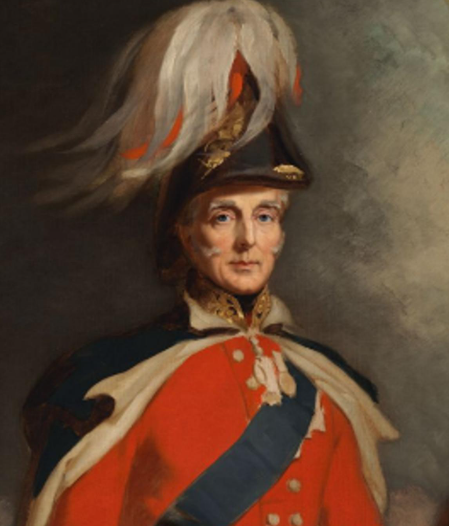
Arthur Wellesley, later known as the Duke of Wellington, was one of the most famous military figures in modern European history. He gained renown not only for his exceptional military talents but also for his calmness, decisiveness, and strategic vision, becoming a legendary commander during the Napoleonic era.
Today, we look back from a historical perspective at the life and achievements of this master strategist to understand why he is considered a symbol of wisdom and courage.
Background and Early Career
Wellesley was born in 1769 into an Irish noble family and received an excellent education from a young age. He displayed extraordinary discipline and an interest in military affairs early on. In 1787, he joined the British Army, beginning a long and distinguished military career.
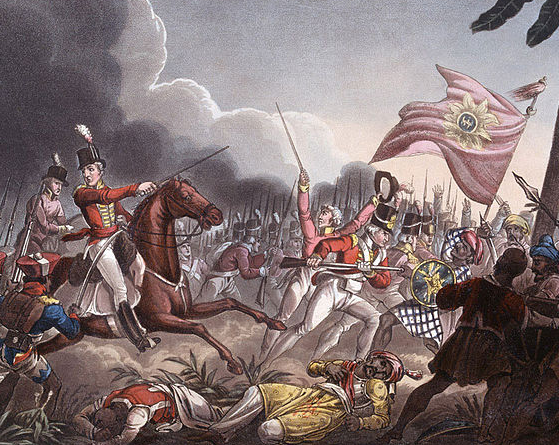
He served in India for many years, gaining extensive battlefield experience and learning to use limited forces effectively in complex terrains and rapidly changing situations. His repeated victories despite being outnumbered showcased his exceptional command skills and laid a solid foundation for his later campaigns in Europe.
Key Battles and Strategic Genius
1. The Peninsular War in Portugal
From 1808 to 1814, the Peninsular War marked the pinnacle of Wellesley’s military career. Leading British forces against the French, he repeatedly defeated Napoleon’s troops with smaller units and clever tactics.
Tactical Flexibility: Wellesley excelled at using terrain to his advantage, whether in valleys, rivers, or towns, strategically positioning troops to put the enemy at a disadvantage.
Psychological Warfare: He skillfully used information and feints to mislead the enemy, causing them to misjudge situations and secure victories.
2. The Battles of Barrosa and Albuera
In these engagements, Wellesley demonstrated calmness and decisiveness in leadership. He could rapidly redeploy troops at critical moments and even risk flanking maneuvers or night attacks to achieve surprising results. His ability to maintain clear judgment under pressure was central to his military talent.
3. The Battle of Waterloo
The 1815 Battle of Waterloo became almost synonymous with Wellesley. Leading the allied forces against Napoleon’s restored army, this battle not only shaped Europe’s political landscape but also tested Wellesley’s strategic vision.
Defense and Counterattack: He skillfully chose defensive positions while keeping mobile units in reserve for counterattacks.
Allied Coordination: Victory required coordination not only with British troops but also with Belgian, Dutch, and Prussian forces, showcasing his outstanding ability to command alliances.
Calm Crisis Management: Amid rapidly changing battlefield conditions, Wellesley remained calm, quickly assessing enemy moves and ultimately achieving a decisive victory.
Strategic Philosophy and Military Style
Wellesley’s military style combined caution with offensive capability. He emphasized:
Rational use of forces: Avoiding unnecessary risks but acting decisively when necessary.
Terrain utilization: Choosing advantageous terrain to limit enemy movements.
Intelligence and reconnaissance: Collecting information to make precise tactical decisions.
Psychological warfare and morale management: Encouraging troops while putting pressure on the enemy.
He focused not only on tactics but also on the strategic picture, stressing the allocation of resources, supplies, and forces in long-term campaigns. This ability to integrate macro and micro perspectives made him a true master strategist.
Personal Charisma and Historical Impact
Beyond his military skill, Wellesley was highly respected for his character. Calm, disciplined, and conscientious, he cared for his soldiers, inspiring loyalty and courage. His leadership created highly effective and stable military formations.
Historically, Wellesley is seen as a symbol of wisdom and courage: his wisdom in analyzing and responding to battlefield situations, and his courage in making decisive choices against formidable enemies and complex circumstances. After Waterloo, he was titled Duke of Wellington, acknowledging not only his military achievements but also his indelible impact on European history.
Conclusion
Arthur Wellesley’s life is filled with legend and wisdom. Through calm judgment, flexible tactics, and decisive action, he left a brilliant mark on modern European military history. From India to the Peninsular War and the victory at Waterloo, Wellesley proved that a true master strategist requires not only courage but also wisdom and a broad strategic vision.
Even today, his legacy continues to inspire: no matter how complex the situation, calm analysis, careful planning, and decisive action are key to victory. Arthur Wellesley—the embodiment of wisdom and courage—will forever be etched in the annals of military history.
