Understanding the Spectrum of Biological Disasters
Biological disasters represent a complex intersection of natural phenomena and human-induced ecological shifts. These events, which include the rapid spread of infectious diseases, the proliferation of invasive species, and the sudden collapse of agricultural systems, pose existential threats to global stability. Unlike geological or meteorological disasters, biological hazards are characterized by their ability to self-replicate, evolve, and transcend geographical boundaries with alarming speed.
Defining the Scope of Bio-Hazards
At its core, a biological disaster occurs when an organism—whether a virus, bacteria, plant, or animal—disrupts the established ecological or societal balance. The impact is measured not just in human mortality, but in the degradation of biodiversity and economic security.
- Pathogenic Outbreaks: Microorganisms that cause large-scale morbidity and mortality.
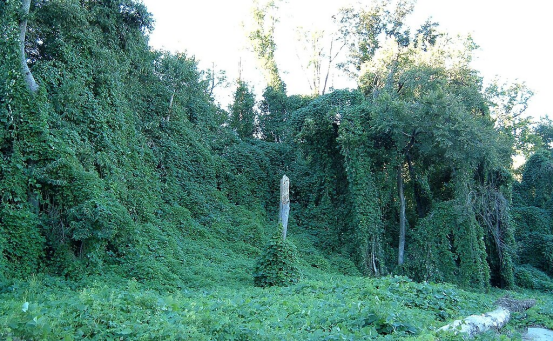
- Invasive Species: Non-native organisms that outcompete local fauna and flora, leading to habitat destruction.
- Agricultural Pathogens: Biological agents that target food supplies, leading to systemic starvation or economic failure.

Historical Pandemics and the Evolution of Public Health
History serves as a grim ledger of humanity’s struggle against biological threats. From the Black Death, which decimated medieval populations, to the 1918 Spanish Flu, these events have acted as catalysts for the development of modern epidemiology and public health infrastructure.
Case Study: The Black Death and the Spanish Flu
The Black Death (14th century) fundamentally altered the socio-economic structure of Europe, proving that biological agents could collapse entire civilizations. Centuries later, the 1918 Spanish Flu demonstrated that even in an era of advanced science, a viral pathogen could claim millions of lives, forcing global powers to reconsider the necessity of international health coordination.
| Pandemic | Primary Agent | Societal Impact |
|---|---|---|
| Black Death | Yersinia pestis | Feudalism collapse, labor shortages |
| Spanish Flu | H1N1 Influenza | Global health policy reform |
| Cholera | Vibrio cholerae | Sanitation and water treatment standards |

Modern Viral Threats and Emerging Pathogens
In the contemporary era, the threat landscape has shifted toward high-mortality viruses and chronic epidemics. Diseases like Marburg virus, Avian Flu, and HIV/AIDS highlight the persistent vulnerability of global populations to zoonotic spillover events.
The Challenge of Zoonotic Transmission
The vast majority of modern emerging infectious diseases originate in animal reservoirs. The Marburg virus, characterized by severe hemorrhagic fever, serves as a stark reminder of the potential for rare, highly lethal pathogens to emerge from isolated environments. Similarly, the ongoing monitoring of Avian Flu strains illustrates the delicate balance required to prevent a global pandemic through cross-species transmission.

Invasive Species and Agricultural Instability
Biological disasters are not limited to human health. The introduction of invasive species often leads to permanent ecological displacement. Furthermore, agricultural crises, such as the wheat rust pandemics of the 20th century, demonstrate how biological agents can threaten food security on a regional or global scale.
Mitigation and Resilience Strategies
Responding to these threats requires a multi-layered approach involving early detection, international cooperation, and scientific innovation. As we move forward, the integration of biotechnology and global surveillance systems will be paramount in mitigating the risks posed by these silent, ever-evolving threats.
Frequently Asked Questions (FAQ)
- Q1: What is the primary cause of modern biological disasters?
- Modern biological disasters are primarily driven by globalization, increased human-wildlife contact, climate change, and the rapid movement of goods, which facilitates the transmission of pathogens and invasive species across borders.
- Q2: How did past pandemics change modern healthcare?
- Pandemics like the 1918 flu and historical cholera outbreaks led to the establishment of global health organizations (like the WHO), the implementation of modern sanitation systems, and the development of vaccination protocols.
- Q3: Why are invasive species considered a biological disaster?
- Invasive species outcompete native plants and animals for resources, destroy habitats, and can carry pathogens that decimate local ecosystems, leading to long-term biodiversity loss and economic damage.
- Q4: How can we prevent future biological disasters?
- Prevention requires robust international surveillance, investment in rapid vaccine development, strict bio-security protocols at borders, and ecological management to prevent the spillover of zoonotic diseases.
