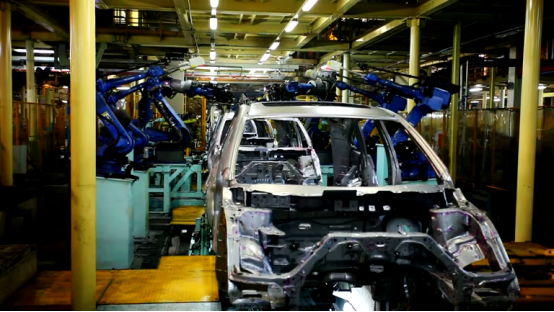
The economic relationship between the United States and Japan, particularly within the automotive sector, has long been a complex dance of cooperation, competition, and conflict. The imposition or threat of US tariffs on Japanese auto imports represents a significant escalation in this dynamic, sending shockwaves through global supply chains, financial markets, and local economies. This guide provides a comprehensive analysis of the multifaceted impacts of this tariff war, moving beyond surface-level headlines to explore the underlying historical context, the direct economic and social consequences, and the strategic maneuvers Japanese automakers are deploying to navigate this turbulent landscape.
The Historical Context: A Decades-Long Automotive Rivalry
To understand today’s tensions, one must look back to the trade frictions of the 1980s. This period set the stage for modern-day disputes, establishing a pattern of US pressure aimed at protecting its domestic auto industry from highly efficient Japanese competition.
The Rise of Japanese Automakers and the 1980s Friction
The 1970s energy crisis created a massive opening for Japanese car manufacturers in the US market. Their fuel-efficient, reliable, and affordable vehicles gained immense popularity, challenging the dominance of Detroit’s “Big Three.” This success led to a soaring US trade deficit with Japan and accusations of unfair trade practices, culminating in significant political pressure.
From Quotas to Tariffs: An Evolving Protectionist Strategy
Initially, the US response was not tariffs but a “Voluntary Export Restraint” (VER) agreement in 1981, where Japan agreed to limit the number of cars it exported to the US. While this temporarily eased pressure, it also inadvertently pushed Japanese brands to move upmarket and establish manufacturing plants directly within the United States. The modern threat of tariffs under national security pretexts (Section 232) is a more aggressive evolution of this same underlying protectionist impulse.

Analyzing the Direct Economic Impacts of US Tariffs
Tariffs are not just a political tool; they are a blunt economic instrument with far-reaching consequences for corporations, supply chains, and consumers. The direct financial impact is felt across the entire automotive ecosystem.
The Squeeze on Automaker Profits and Supply Chains
For Japanese automakers, tariffs directly translate to higher costs for exporting vehicles and parts to the US, their largest market. This either erodes profit margins or forces them to pass costs onto consumers. Furthermore, modern vehicles are products of a global supply chain. A tariff on a finished car from Japan can also impact American suppliers who export components for assembly, creating a complex web of economic disruption.
The Burden on American Consumers: Rising Car Prices
Ultimately, the cost of a tariff is often borne by the end consumer. A significant tariff on Japanese vehicles would not only increase the sticker price of a Toyota or Honda but also allow domestic and other foreign competitors to raise their prices due to reduced competition. This leads to across-the-board inflation in the auto market, hurting American households.

Social Consequences: Beyond the Balance Sheet
The impact of a trade war extends beyond economic data, affecting jobs, communities, and international relations. These social consequences can be profound and long-lasting.
Employment Uncertainty in Both Nations
While tariffs are intended to protect US manufacturing jobs, they can have the opposite effect. Many Japanese brand vehicles are assembled in the US at plants in states like Kentucky, Tennessee, and Indiana, employing tens of thousands of American workers. Tariffs on imported parts could make these plants less competitive, jeopardizing local jobs. Simultaneously, reduced exports from Japan could lead to job cuts in its domestic manufacturing sector.
The Political Fallout and Diplomatic Tensions
Using trade as a weapon strains diplomatic alliances. For decades, Japan has been one of America’s staunchest allies in Asia. A prolonged and aggressive trade dispute undermines this relationship, creating geopolitical uncertainty and potentially pushing allies to forge stronger economic ties with other global powers.
Strategic Responses from the Japanese Auto Industry
Japanese automakers are not passive victims in this scenario. They have been actively developing and implementing strategies to mitigate the risks associated with US protectionism for decades.
Accelerating Onshoring and Supply Chain Diversification
The primary response has been to increase investment in US-based manufacturing facilities. By building cars where they sell them, companies like Toyota, Honda, and Nissan can bypass import tariffs on finished vehicles. They are also working to source more components from North American suppliers to further insulate their operations from cross-border taxation.
Doubling Down on Technological Innovation
Another key strategy is to lead in next-generation automotive technology, such as electric vehicles (EVs), hydrogen fuel cells, and autonomous driving systems. By creating products that are technologically superior and in high demand, they can maintain a competitive edge that transcends tariff-related price disadvantages.
Expert Advice: A Checklist for Navigating Trade Volatility
For businesses and investors connected to the automotive industry, navigating this uncertainty is key. Here is a checklist of strategic considerations.
- Supply Chain Audit: Map your entire supply chain to identify dependencies on cross-border components. Quantify the potential cost impact of a 10%, 15%, or 25% tariff.
- Geographic Diversification: Avoid over-reliance on a single market for production or sales. Explore opportunities in emerging markets in Southeast Asia, South America, and Europe.
- Customer Communication: Be transparent with customers about potential price impacts. A well-managed communication strategy can mitigate damage to brand loyalty.
- Lobbying and Advocacy: Engage with industry associations and government bodies to advocate for predictable, rules-based trade policies.
- Scenario Planning: Develop financial models for various tariff scenarios to understand the impact on cash flow, profitability, and investment capacity.
Comparative Analysis: Tariff vs. Non-Tariff Barriers
Tariffs are the most visible form of trade protectionism, but they are not the only tool governments use. Understanding the difference is crucial for a complete picture.
| Trade Barrier | Mechanism | Primary Impact | Example |
|---|---|---|---|
| Tariff | A direct tax imposed on an imported good. | Increases the price of the good for consumers and generates revenue for the government. | A 25% tax on all imported Japanese cars. |
| Quota / VER | A physical limit on the quantity of a good that can be imported. | Restricts supply, which drives up prices without generating government revenue. | The 1980s Voluntary Export Restraint on Japanese autos. |
| Regulatory Barrier | Complex safety, emissions, or testing standards that are difficult for foreign firms to meet. | Increases compliance costs and can effectively block market access. | Requiring unique crash-test standards not used elsewhere. |
Frequently Asked Questions (FAQ)
- Why does the US government so often target Japan’s auto industry?
- The auto industry is a massive and highly visible component of the US-Japan trade relationship. The large volume of auto imports contributes significantly to the US trade deficit with Japan, making it a prime target for politicians aiming to appear tough on trade and protect domestic manufacturing jobs.
- How do tariffs on Japanese cars affect American workers at US plants?
- It’s a double-edged sword. While tariffs might offer some protection to workers at Ford or GM, they can harm the hundreds of thousands of Americans employed by Japanese-owned assembly plants and parts suppliers in the US. Tariffs on imported parts increase production costs for these US-based plants, making them less competitive and potentially leading to layoffs.
- Are electric vehicles (EVs) from Japan also subject to these potential tariffs?
- Generally, yes. Unless specific exemptions are written into the trade policy, automotive tariffs typically apply to all passenger vehicles, regardless of their powertrain. This means Japanese EVs would face the same import duties, potentially slowing their adoption in the US market compared to domestically produced EVs.
- What is the long-term outlook for the US-Japan automotive trade relationship?
- The long-term trend is toward deeper integration, not separation. Japanese automakers continue to invest heavily in US manufacturing and R&D. While political rhetoric may cause short-term volatility and friction, the economic realities of a deeply intertwined supply chain and shared technological goals in areas like electrification will likely push both sides toward negotiation and compromise rather than a full-blown, sustained trade war.
